
New Mexico is continuing work on the regulatory framework for a medical psilocybin programme, with proposed rules covering the people, facilities and supply chain that would support treatment.
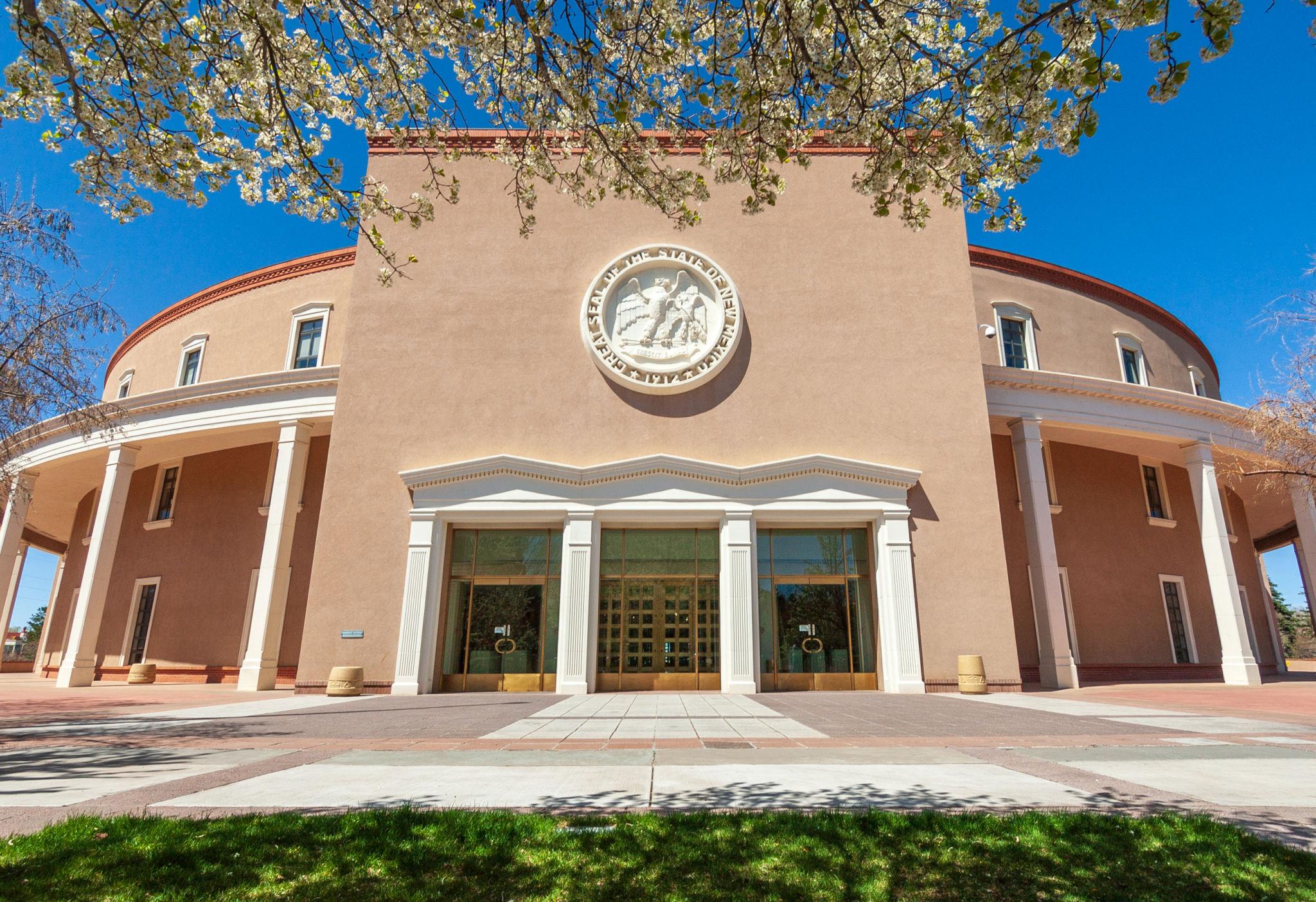
A public rulemaking hearing was held in Santa Fe on 2 October to consider two related proposals from the New Mexico Department of Health. One would establish new rules covering patients, certifying clinicians, practitioners, facilitators, healing centres, approved locations and educational programmes. The other would amend existing rules governing psilocybin producers and testing laboratories.
Neither proposal has been adopted.
The hearing formed part of the department’s consultation process, with the final rules still to be determined. That distinction is important, particularly as several of the provisions under consideration would establish the practical requirements for delivering psilocybin treatment outside a research setting.
Defining the workforce
The proposed 7.35.3 NMAC rule focuses on the treatment side of the programme.
It covers patient enrolment, certifying clinicians, practitioners, facilitators, healing centres and educational programmes, as well as the training requirements for practitioners and facilitators.

The revised proposal published on 25 August increased the proposed therapy-specific didactic training from the earlier 30-hour requirement to 65 hours. At least one-third of that training would need to be delivered in person.
The proposed simulated-patient component would also increase from five hours to 10 hours.
Alongside this training, the proposal sets out significant practical requirements. Facilitators would be required to complete 100 hours of practicum, while practitioners would require 120 hours. The rules also include requirements relating to supervision and case presentation.
The sequence of training is also prescribed. Certain didactic and simulated-patient requirements would need to be completed before a trainee could begin their practicum.
These provisions are important because they begin to define what the workforce for a regulated psilocybin service could look like.
Psilocybin treatment does not necessarily fit neatly into conventional models of medical care. The clinical pathway can involve assessment and preparation before administration, support during the psychedelic experience and follow-up or integration afterwards. Determining which professionals are responsible for each part of that process is therefore a significant regulatory question.
New Mexico’s proposed framework attempts to establish those roles in advance rather than leaving them entirely to individual providers.
Connecting producers with treatment centres
The department is also considering changes to the rules governing the production, testing and distribution of psilocybin.
The existing 7.35.2 NMAC rule was adopted and took effect on 23 June 2026. It covers producer and laboratory permits, premises, permitted products, traceability, testing, packaging, wastage, transportation, monitoring and disciplinary procedures.
The proposed amendment would make a relatively specific but consequential change to the permitted supply chain.
Under the current rule, licensed producers can sell psilocybin or psilocybin products to other producers and practitioners, subject to the requirements of the rule.
The amendment would add licensed healing centres to the list of permitted purchasers.
That change would formally recognise healing centres as part of the pathway through which psilocybin reaches patients. It also helps clarify the relationship between the commercial production side of the programme and the facilities where treatment is ultimately delivered.
Transportation is another area addressed by the proposed amendments.
The existing rules establish chain-of-custody requirements for psilocybin shipments, including documentation and verification. The proposed changes would allow designated employees or contractors of a permittee, certified practitioner or certified healing centre to transport psilocybin.
The proposed rules would also place responsibility for verifying a shipment against its chain-of-custody documentation on the person receiving it, rather than limiting that responsibility specifically to the permittee.
These provisions may appear administrative, but they become increasingly important as a regulated medicine moves between multiple parties. Clear requirements around purchasing, transport, documentation and receipt are necessary if regulators are to maintain oversight of the product from production through to treatment.
What has been adopted and what has not
There are two different regulatory positions to distinguish in the current proposals.
The rules governing producers and testing laboratories have already been adopted and are in force.
The proposed 7.35.3 NMAC rule covering patients, clinicians, practitioners, facilitators, healing centres and educational programmes has not yet been adopted. Nor have the proposed amendments to the existing producer and laboratory rules.
The 2 October hearing was therefore part of the rulemaking process rather than the formal launch of a completed regulatory system.
The Department of Health will need to consider the consultation process before determining the final form of the rules. Provisions contained in the published proposals can still change before adoption.
That distinction is particularly relevant in a rapidly developing area such as psychedelic regulation, where draft frameworks can evolve substantially as regulators receive input from clinicians, businesses, patients and other stakeholders.
Why the New Mexico framework matters
New Mexico’s approach provides an example of the questions that emerge once governments move beyond establishing a legal pathway for psychedelic treatment and begin designing the system around it.
The proposed rules address who can provide treatment, how those people are trained, what facilities can be used and how patients enter the programme. The producer amendments address how psilocybin moves through the supply chain and into treatment settings.
Those issues are separate from the clinical evidence supporting psilocybin itself, but they will have a direct bearing on how any future treatment system operates.
The development will also be relevant beyond New Mexico.
Australia provides a useful comparison. Since July 2023, authorised psychiatrists have been able to access psilocybin and MDMA through the Therapeutic Goods Administration’s Authorised Prescriber pathway for specific patients and conditions. That framework is tightly controlled and operates within the existing Australian medical system.
New Mexico is developing a different model, but the regulatory questions overlap in several areas, including practitioner capability, treatment environments, patient oversight, preparation and follow-up, governance and the handling of the medicines themselves.
The comparison will become more useful as New Mexico’s proposals move towards finalisation.
For the broader psychedelic sector, the process is another indication that regulation is increasingly moving into the practical details of service delivery. Clinical evidence will remain central to determining whether psilocybin can establish a place in mainstream medicine, but workforce requirements, treatment infrastructure and supply-chain controls will determine how that medicine can actually be delivered.
The next stage for New Mexico is therefore not simply whether the proposed framework exists on paper, but what ultimately emerges from the rulemaking process and how the system performs once those rules are put into practice.