
As psychedelic medicine moves towards pharmaceutical development, Incannex is attempting to take synthetic psilocybin through the clinical, regulatory and commercial processes required to turn it into a conventional medicine.
The development of psychedelic medicines is entering a more demanding phase. Early research established a case for investigating substances such as psilocybin in conditions including depression and anxiety. The challenge now is translating that evidence into treatments that can be manufactured consistently, evaluated in larger clinical trials, approved by regulators and delivered within existing healthcare systems.
For Australian biopharmaceutical company Incannex Healthcare, that process is already underway.
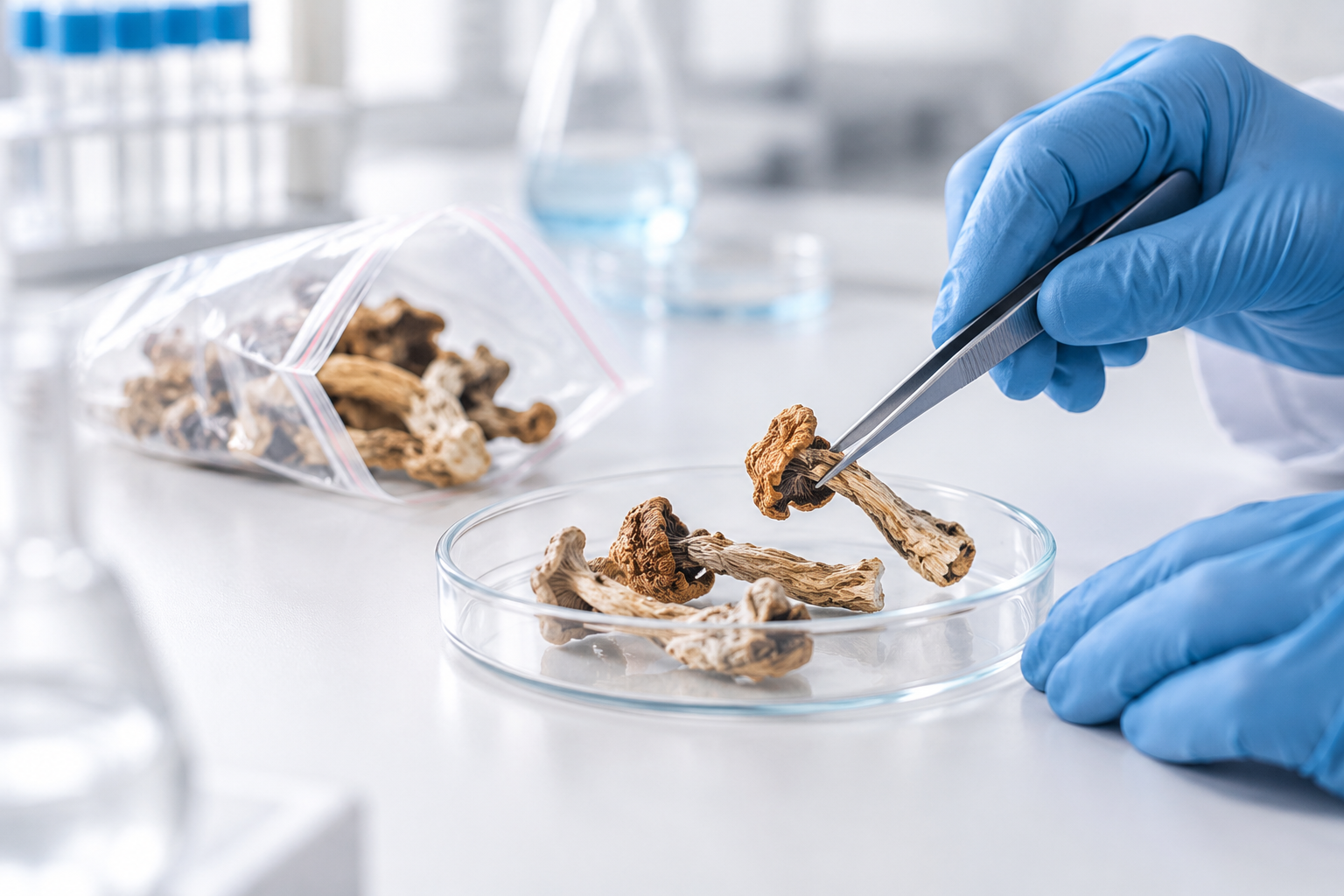
The Melbourne-headquartered, Nasdaq-listed clinical-stage company is developing PSX-001, an oral synthetic psilocybin treatment for adults with generalised anxiety disorder (GAD). Its approach is closer to conventional pharmaceutical development than to the wellness and retreat models that have shaped much of the public discussion around psychedelics, with a defined drug product, controlled dosing, clinical protocols and a regulatory strategy underpinning the programme.
From psilocybin research to a drug product
Incannex’s Phase 2 PsiGAD1 study enrolled 73 adults with moderate to severe GAD. Participants received either 25 mg of synthetic psilocybin or placebo across two dosing sessions, alongside psychological support and a proprietary psychotherapy protocol.
The company reported positive results in August 2025. Participants receiving PSX-001 recorded a 12.8-point reduction in Hamilton Anxiety Rating Scale scores, compared with a 3.6-point reduction among those receiving placebo. Incannex also reported that 44% of treated participants achieved a clinically meaningful response, defined as at least a 50% reduction in anxiety scores.
The results provide a basis for continued development, although they do not establish PSX-001 as an approved treatment or remove the risks associated with later-stage development.
In 2026, the US Food and Drug Administration cleared Incannex’s Investigational New Drug application for PsiGAD2, its next PSX-001 study in GAD. The company has also undertaken scientific advice discussions with the UK’s Medicines and Healthcare products Regulatory Agency.
The focus is consequently shifting towards the practical requirements of pharmaceutical development: generating additional clinical evidence, defining the treatment protocol, establishing manufacturing processes and satisfying regulators in the markets where the company intends to operate.

The challenge of developing a psychedelic medicine
Psychedelic drugs present some unusual challenges for pharmaceutical companies because the pharmacological intervention is only one component of the treatment model.
A future psilocybin medicine could involve a defined drug product administered at a controlled dose in a clinical setting, with patient preparation, psychological support and post-treatment integration incorporated into the protocol.
For companies such as Incannex, the commercial proposition therefore extends beyond synthetic psilocybin itself. The treatment needs to be studied consistently, regulated as a medical intervention and eventually incorporated into healthcare delivery.
That means demonstrating reproducibility across clinical sites, establishing appropriate safety monitoring, manufacturing the drug consistently and determining how much clinical support is required.
Incannex has been developing both the pharmaceutical formulation and clinical protocol for PSX-001 while progressing its regulatory strategy.
These are less visible aspects of psychedelic medicine than the clinical results themselves, but they will have a major influence on which drug candidates ultimately reach patients.
Australia’s position
Australia has already taken an unusual position in the development of regulated psychedelic-assisted therapy.
The Therapeutic Goods Administration’s decision to allow authorised psychiatrists to prescribe psilocybin and MDMA within a tightly controlled framework made Australia one of the first jurisdictions to permit these substances to be used clinically outside research settings.
That regulatory change created an opportunity, but it did not establish the infrastructure required for a mature pharmaceutical sector. Clinical workforce capacity, treatment facilities, research capability, manufacturing, investment and viable commercial models will all be required if psychedelic medicines are to move beyond specialist providers.
Incannex is relevant to that development because PSX-001 represents an attempt to develop a psychedelic treatment within a conventional biopharmaceutical framework.
The company’s broader position is also relevant. In September 2026, Incannex reported approximately US$70 million in cash and no debt, while noting that it had received more than A$11.2 million in Australian R&D tax incentives during 2026. PSX-001 is being developed alongside other clinical programmes, including IHL-42X for obstructive sleep apnoea, meaning the psychedelic programme forms part of a broader biotechnology strategy.
The commercialisation question
Positive clinical results alone will not determine whether a psychedelic medicine becomes commercially viable.
Developers will also need to establish where treatment is administered, how much clinician time is required, how psychological support is delivered, how patients are selected and monitored, and who ultimately pays.
Those questions are particularly important for psychedelic therapies because treatment can require considerably more clinical involvement than many conventional pharmaceutical products. A model that works in a small number of specialist clinics may look very different when treatment needs to be delivered at scale.
For Incannex, PSX-001 is now entering that more demanding phase of development. The Phase 2 results provided a basis for further clinical work, while FDA clearance of the PsiGAD2 IND has allowed the company to progress its US programme.
The outcome will depend on more than the therapeutic effects of psilocybin. Incannex will need to generate sufficient clinical evidence, satisfy regulators, establish a reliable pharmaceutical product and demonstrate that the resulting treatment can work within a viable healthcare model.
For Australian psychedelic medicine, that makes PSX-001 a programme worth watching. It provides a clear example of how the sector is moving from early clinical promise towards the more conventional, and considerably more demanding, process of pharmaceutical development.