

The psychedelic medicine movement has crossed a threshold.

What was once relegated to the fringes of science, dismissed by policymakers, and associated primarily with counterculture movements is now finding its way into legislative chambers, university hospitals, and mainstream healthcare systems. Across the United States, governments are increasingly exploring whether psychedelic-assisted therapies can play a legitimate role in addressing some of society’s most challenging mental health conditions.
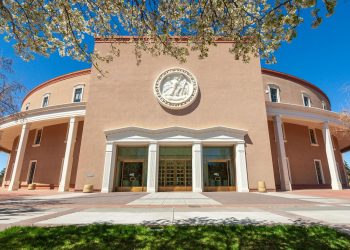
Among the states moving most aggressively is the New Mexico, where officials have announced plans to accelerate the rollout of a regulated psilocybin-assisted therapy program by the end of 2026, a full year ahead of the original implementation schedule outlined under Senate Bill 219.
The decision reflects a growing sense of urgency among healthcare leaders confronting rising rates of depression, anxiety, trauma, addiction, and psychological distress. It also signals a broader shift occurring across modern psychiatry, where conventional treatment models are increasingly being questioned for their inability to adequately help a significant proportion of patients.
For many clinicians, the challenge is clear.
Despite decades of advances in pharmaceuticals, psychotherapy, and behavioural interventions, millions of people continue to struggle with treatment-resistant conditions. Patients often cycle through multiple medications, years of therapy, and repeated treatment programs with only limited improvement. The result has been growing interest in alternative therapeutic approaches capable of delivering meaningful outcomes where traditional interventions have fallen short.
That search has brought psychedelics back into the scientific spotlight.
Institutions including Johns Hopkins University and Imperial College London have produced a growing body of research examining the therapeutic potential of compounds such as psilocybin, the psychoactive ingredient found in certain mushroom species. While researchers consistently caution against exaggerated claims, a number of clinical studies have reported encouraging results for conditions including treatment-resistant depression, post-traumatic stress disorder, addiction, and end-of-life psychological distress.
Unlike recreational use, modern psychedelic-assisted therapy takes place within highly structured clinical environments. Patients typically undergo extensive screening and preparation before participating in supervised sessions, followed by integration therapy designed to help process and apply insights gained during the experience. The therapeutic model is as much about preparation and support as it is about the substance itself.
This distinction sits at the heart of New Mexico’s emerging framework.
Supporters of the legislation have repeatedly emphasised that the program is intended as a medical initiative rather than a pathway to recreational access. The state’s Medical Psilocybin Advisory Board has focused heavily on developing practitioner standards, ethical safeguards, patient protections, training requirements, and clinical oversight mechanisms designed to minimise risk while maximising therapeutic benefit.
The stakes are significant.
If implemented successfully, New Mexico could become one of the most important case studies in the global evolution of psychedelic medicine. Policymakers, researchers, investors, and healthcare professionals around the world will be watching closely to assess patient outcomes, safety data, accessibility challenges, and long-term effectiveness.
At the same time, critics argue that enthusiasm must remain grounded in evidence. Psychedelic experiences can be psychologically intense, and researchers continue to investigate long-term outcomes, contraindications, and best-practice therapeutic models. Many experts warn that commercial excitement should not outpace scientific validation.
Yet even among sceptics, there is growing recognition that mental healthcare is entering a period of profound transformation.
The fact that governments are now actively designing regulated psilocybin therapy systems would have seemed politically implausible only a decade ago. Today, it is becoming a serious public policy discussion not only in the United States but also in countries including Australia, Canada, and several European jurisdictions.
Whether psychedelic-assisted therapies ultimately become a mainstream pillar of psychiatry remains uncertain. What is increasingly clear, however, is that the conversation surrounding mental health treatment is changing rapidly.
New Mexico’s accelerated rollout is more than a regulatory decision. It is a signal that healthcare systems are actively searching for new approaches to address rising levels of emotional suffering, trauma, addiction, and psychological distress. For supporters, it represents the emergence of a potentially transformative therapeutic frontier. For critics, it serves as a test of whether science, regulation, and public policy can move responsibly through one of medicine’s most controversial new fields.
Either way, the world is watching. As psychedelic medicine continues its transition from the margins toward the mainstream, New Mexico may soon find itself helping define what the future of mental healthcare looks like.