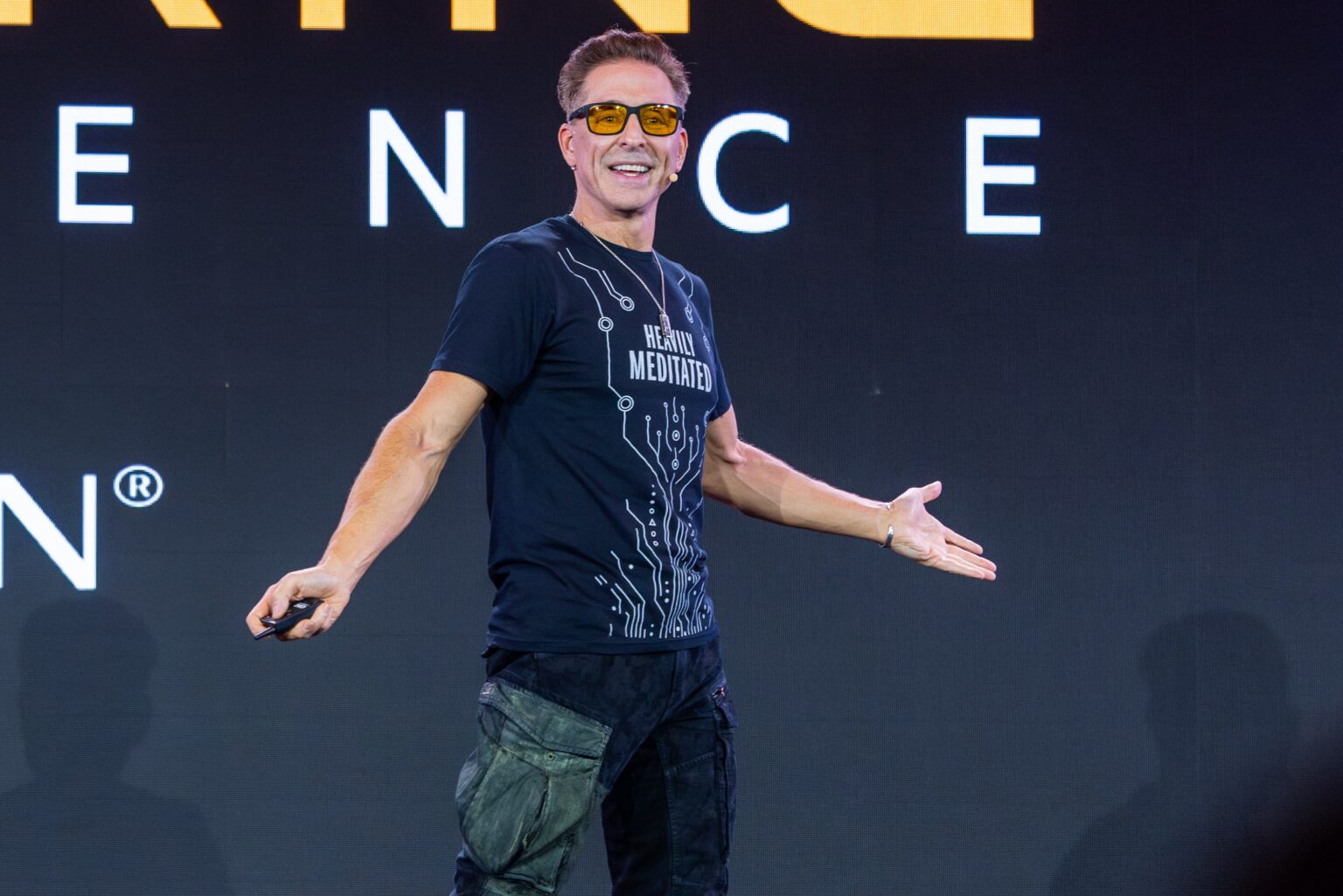

The three-day conference, hosted by entrepreneur Dave Asprey, brings together researchers, clinicians and business leaders to discuss psychedelic therapies, neuroscience and emerging approaches to mental healthcare.
Researchers, clinicians and entrepreneurs working across psychedelic medicine and neuroscience have gathered in Austin, Texas, for BEYOND Wonderland, a three-day conference examining psychedelic-assisted therapy, consciousness technology and traditional plant-medicine practices.
Running from 12 to 14 October at the Omni Barton Creek Resort & Spa, the event is part of entrepreneur Dave Asprey’s BEYOND conference series. Its programme covers a broad range of subjects, from clinical research into psilocybin and MDMA to neurostimulation, trauma treatment and the commercial development of emerging mental health interventions.
The speaker line-up includes Rick Doblin, founder of the Multidisciplinary Association for Psychedelic Studies (MAPS); neuroscientist Dr Matt Johnson; psychiatrist Dr Scott Aaronson; trauma researcher Dr Rachel Yehuda; and psychiatrist and neuroscientist Dr David Rabin. Mycologist Paul Stamets and filmmaker and environmental advocate Céline Cousteau are also participating, bringing perspectives on fungi, plant medicines and Indigenous knowledge.
The programme brings together people working in areas that have traditionally been discussed separately. For psychedelic medicine companies, the sessions offer an opportunity to consider how clinical research, treatment delivery and adjacent technologies might develop, although the approaches covered at the event differ considerably in their evidence base and regulatory status.
Psychedelic medicine and consciousness technology
BEYOND Wonderland divides its programme across psychedelic science, consciousness technology and experiential exploration.
The psychedelic medicine sessions address treatments involving psilocybin, MDMA, ketamine and ibogaine, with discussions covering clinical practice, treatment protocols and potential applications in areas including trauma, addiction and difficult-to-treat depression.
A separate strand examines technologies intended to measure or influence mental states, including electroencephalography (EEG)-based approaches, neurostimulation, biofeedback, digital therapeutics and vagus nerve interventions.
These technologies have different applications and levels of clinical support. EEG can be used to measure electrical activity in the brain, while neurostimulation techniques aim to influence neural activity through external stimulation. Biofeedback systems provide information about physiological processes that users may learn to regulate.
Their inclusion alongside psychedelic research reflects the conference’s broad interest in mental health and consciousness, rather than establishing that these approaches have comparable therapeutic effects.
For businesses operating in the sector, the programme spans several potential areas of collaboration, including pharmaceutical development, clinical services, patient monitoring and digital health. Each brings its own requirements for demonstrating safety, efficacy and practical value.
Rick Doblin addresses the path from research to treatment
Rick Doblin is scheduled to speak about the transition from clinical trials to clinical practice, a subject that has become increasingly relevant as psychedelic-assisted therapies move through research and regulatory evaluation.

Through MAPS, Doblin has played a central role in research and advocacy surrounding MDMA-assisted therapy, particularly its investigation as a potential treatment for post-traumatic stress disorder (PTSD).
The regulatory pathway for MDMA-assisted therapy in the United States has been closely scrutinised. In August 2024, the US Food and Drug Administration declined to approve Lykos Therapeutics’ MDMA-assisted therapy application for PTSD and requested additional clinical work. The decision highlighted the evidence required before an investigational treatment can become an approved medicine.
Even where a treatment demonstrates clinical benefit, establishing a workable model for delivering it presents further challenges. Psychedelic-assisted therapy may involve patient screening, preparation sessions, supervised administration, psychological support and follow-up care. The staffing and facilities required can affect both the cost of treatment and the number of patients a service can accommodate.
These practical considerations are relevant to investors and healthcare operators assessing potential business models in the field. Research outcomes, regulatory approval, clinician training and reimbursement arrangements all influence whether a treatment can be incorporated into routine care.
Research into trauma, depression and addiction
Several presentations at BEYOND Wonderland focus on psychiatric conditions for which existing treatments do not work adequately for every patient.
Yehuda, whose research has examined trauma and its intergenerational effects, is scheduled to discuss the potential role of psychedelics in addressing intergenerational trauma. Aaronson’s presentation focuses on psilocybin experiences in difficult-to-treat depression, while Johnson is listed to speak about psychedelic treatment for addiction.
These are distinct research questions, and the evidence for one application cannot automatically be applied to another. Findings from studies involving depression, for example, do not establish that the same intervention will be effective for PTSD or substance use disorders.
Researchers must also account for the way psychedelic-assisted treatments are delivered. Preparation, the therapeutic environment, clinician support and subsequent integration may all contribute to a patient’s experience and outcomes. Understanding their respective roles is important when evaluating trial results and designing treatments that can be delivered consistently.
The conference sessions provide a forum for discussing these questions, although the programme itself does not establish the effectiveness of any particular intervention.
Traditional plant medicines and the question of commercialisation
BEYOND Wonderland also brings traditional plant-medicine practices into discussions about the commercial development of psychedelic-related products and services.
One scheduled conversation between Asprey and Cousteau, titled Sacred or Sellable? The Future of Ayahuasca, Ibogaine, and Beyond, examines the relationship between traditional practices and growing commercial interest in plant medicines.
The subject raises questions about cultural ownership, ethical sourcing, environmental sustainability and how knowledge held by Indigenous communities is represented when traditional practices attract wider attention.
Commercial interest can provide resources for research and conservation, but it can also create pressure to package culturally significant practices as consumer products. The distinction between traditional use, commercial wellness services and medically supervised treatment is particularly relevant where evidence and safety requirements differ.
Ibogaine illustrates some of the challenges involved. The psychoactive compound, derived from the iboga plant native to Central Africa, has attracted research interest for its potential application in substance use disorders. However, it is associated with potentially serious cardiac risks, including dangerous disturbances in heart rhythm. Its therapeutic potential remains an area of investigation, and its risks require careful medical consideration.
Discussions about commercial opportunities therefore sit alongside questions about patient safety, the quality of clinical evidence and the responsibilities of companies working with traditional medicines.
Technology attracts interest alongside drug development
The conference’s technology programme extends beyond compounds that produce psychedelic effects.
Companies developing neurostimulation devices, biofeedback systems and digital therapeutic tools are investigating different ways to measure or influence physiological and psychological processes. Depending on the intervention, potential applications may include supporting existing treatment, monitoring patients or providing alternative approaches to particular mental health needs.
These businesses operate under different development conditions from pharmaceutical companies, but technology-based interventions still require appropriate testing and validation. Their commercial prospects depend on factors including demonstrated clinical benefit, safety, regulatory requirements, patient uptake and the willingness of healthcare providers or payers to fund them.
For investors considering the broader mental health technology market, the range of approaches represented at BEYOND Wonderland offers an opportunity to examine developments across several categories. Claims about improved cognition, longevity or the ability to control consciousness, however, need to be assessed against the evidence supporting each specific product or intervention.
A broad programme for a developing field
BEYOND Wonderland’s programme brings clinical psychedelic research into conversation with neuroscience, technology, commercial healthcare and traditional plant-medicine practices.
The breadth of the event reflects the range of interests now associated with psychedelic medicine, but the approaches discussed are at different stages of development. Some are being investigated through clinical trials, while others have established uses in particular settings or remain primarily experimental.
For companies seeking to enter the market, understanding those differences is essential when evaluating research partnerships, potential products and routes into healthcare. Clinical evidence and regulatory requirements will remain central to decisions about which interventions can be offered to patients and under what conditions.
The Austin conference runs until 14 October, with its programme spanning researchers, clinicians, technology developers, investors and practitioners working across these areas.