
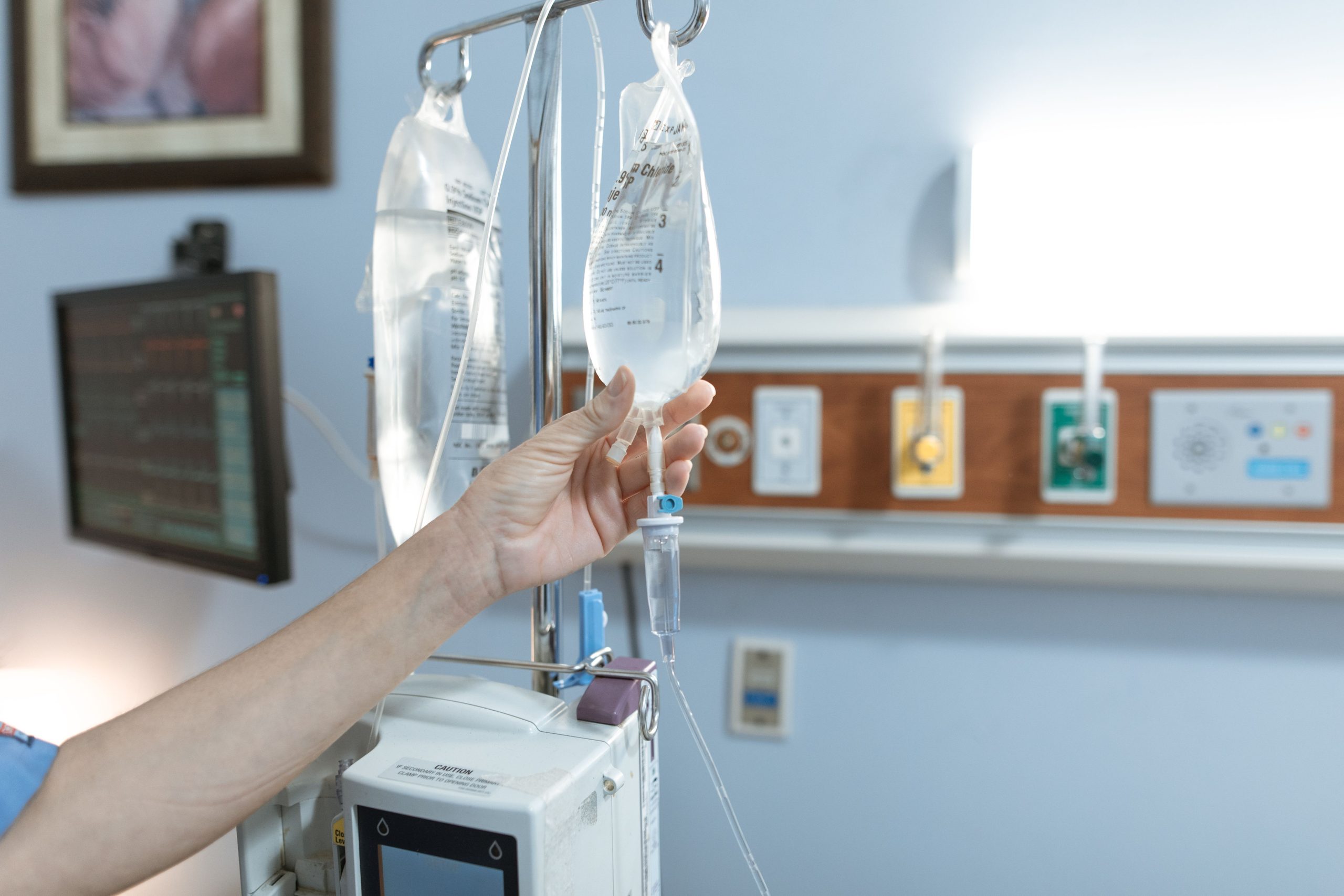

Entropy Neurodynamics has reported sustained improvements in treatment-resistant binge-eating disorder three months after patients received two infusions of its IV psilocin treatment.
Entropy Neurodynamics (ASX: ENP) has reported 12-week follow-up results from the first cohort of its Phase 2 trial of TRP-8803, with all six patients maintaining clinically meaningful improvements in binge-eating disorder (BED).
Three patients experienced no binge-eating episodes during the entire 84-day follow-up period, which the company classifies as clinical remission.
Across the cohort, weekly binge-eating episodes remained 73% below baseline at 12 weeks, compared with a 74% reduction recorded at four weeks.
The six patients had lived with BED for between two and 20 years, with a median duration of 15 years. All had previously failed at least one BED treatment and entered the trial averaging 2.3 binge-eating episodes per week.
Other improvements were also maintained at 12 weeks, including a 50% reduction in anxiety, 42% reduction in depression and 61% improvement in life satisfaction.
The response remained largely unchanged
The four- and 12-week results show relatively little movement in the primary BED measures.

Clinical remission remained at 50%, while all six patients continued to meet Entropy’s definition of clinically meaningful improvement. The reduction in weekly binge-eating episodes shifted from 74% at four weeks to 73% at 12 weeks.
Life satisfaction also remained broadly stable, moving from a 63% improvement at four weeks to 61% at 12 weeks. Anxiety and depression improvements were sustained, while clinician-rated Clinical Global Impression improved from 33% to 44%.
Patients received only two TRP-8803 treatments, with the improvements continuing after dosing had ended. Entropy says the study does not establish that patients would only require two treatments, with larger and longer studies needed to determine whether retreatment is required and what an optimal dosing schedule might look like.
The findings come as the FDA places greater emphasis on durability in psychedelic drug development. Its final guidance, released in July 2026, recommends assessing treatment effects over time and specifically identifies 12-week assessment for chronic psychiatric conditions as part of the development process. Entropy notes that its BED results do not constitute an FDA approval requirement or endorsement.
Entropy is now testing a shorter infusion
TRP-8803 is an IV formulation of psilocin, the active metabolite of psilocybin. Entropy is developing the treatment around the ability to control drug delivery during the psychedelic experience, including adjusting or stopping the infusion when required.
The first cohort used two 140-minute infusions. The second cohort will test two 60-minute infusions, with topline results expected in Q4 2026.
Reducing treatment time is an important part of the company’s development strategy. Entropy says longer psychedelic sessions can consume clinical infrastructure and healthcare-professional time, limiting patient throughput.
A successful 60-minute regimen would therefore give the company useful data on whether the treatment can retain its clinical and psychedelic effects while requiring considerably less clinical time.
The BED programme sits within a larger platform
Entropy is developing TRP-8803 across a 72-patient, eight-indication Australian clinical programme. It is also progressing a proposed Phase 2 major depressive disorder study with UCSF, which would compare TRP-8803 with escitalopram.
The BED results are encouraging, but the limitations are clear. The first cohort contained only six patients, was open-label and had no control group. The results therefore need to be tested in larger controlled studies before the treatment’s efficacy or durability can be established.
For Entropy, the next major data point will be whether the shorter 60-minute infusion can produce a comparable result.
That result is expected in Q4 2026.