
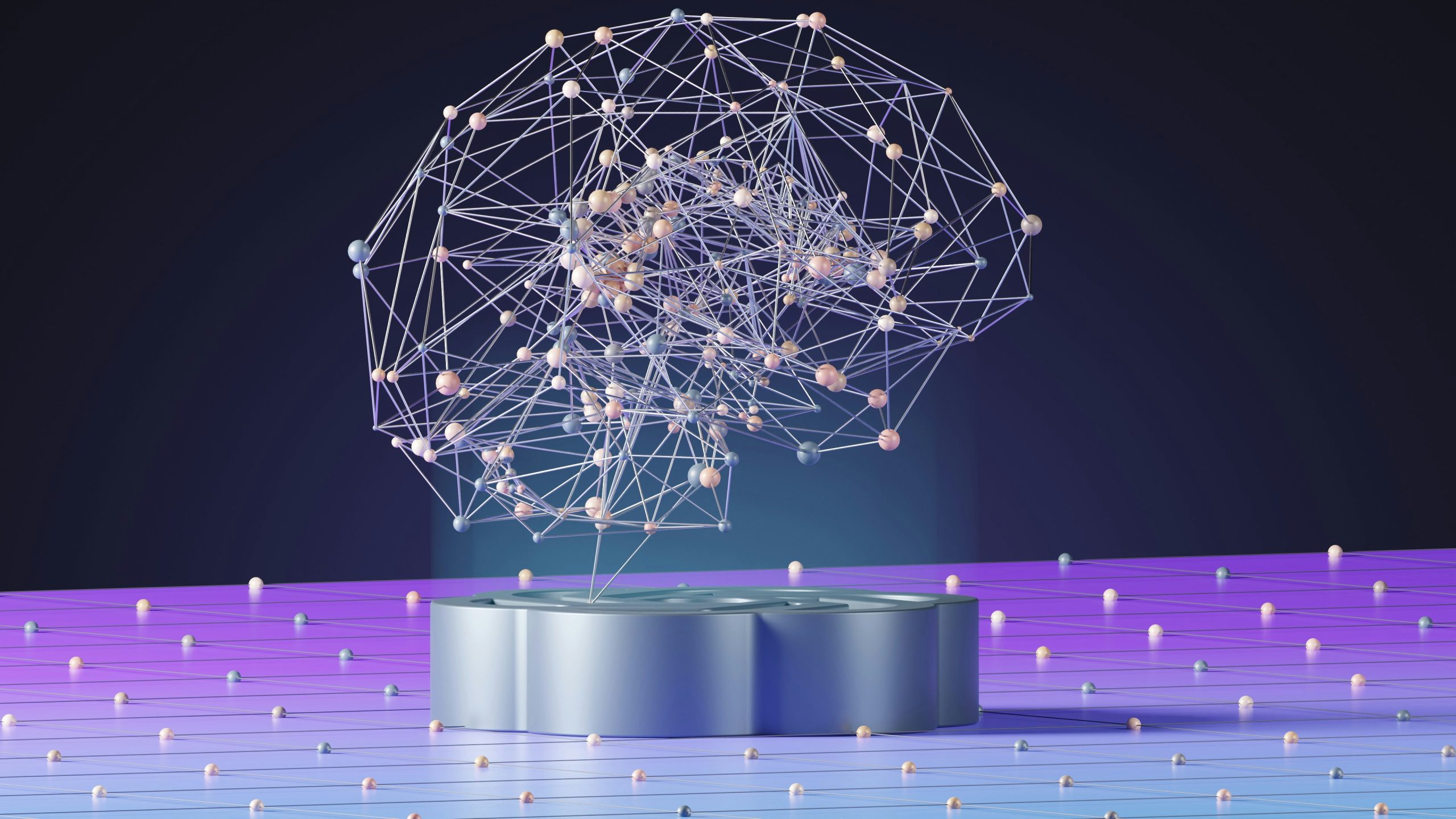

Beyond SSRIs lies a global battle between pharma, therapy, technology, and the future of human consciousness.
For decades, modern psychiatry has largely operated on a simple promise: if mental illness could be reduced to chemistry, chemistry could eventually fix it.
That promise built one of the largest pharmaceutical markets in human history.
Antidepressants became household products. Anxiety disorders became diagnostic categories. Mental health became medicalised, monetised, normalised, and increasingly digitised. Entire economies emerged around emotional regulation, from pharmaceuticals and private clinics to meditation apps, wellness brands, telehealth platforms, and workplace resilience programs.
Yet despite hundreds of billions spent globally on mental healthcare, many uncomfortable questions remain unanswered.
Why are depression, anxiety, addiction, loneliness, and burnout still rising across developed nations?
Why are younger generations reporting record levels of psychological distress despite unprecedented access to information, medication, therapy, and digital connection?
And why, after nearly forty years dominated by SSRIs and symptom-management models, is psychiatry now being forced to revisit substances it once dismissed as dangerous counterculture drugs?
The answer may define the future of mental healthcare.
Because psychedelics are no longer sitting quietly at the fringe of medicine. They are entering boardrooms, biotech pipelines, university research centres, venture capital portfolios, and government policy discussions at extraordinary speed.
What began as an underground movement is evolving into a global commercial, scientific, and philosophical battle over how human consciousness itself should be treated, regulated, and monetised.
And unlike previous waves of psychiatric innovation, this one threatens to challenge the very architecture of mental healthcare.
Psychiatry’s Plateau
To understand why psychedelics matter, it is necessary to understand the crisis quietly unfolding inside modern psychiatry itself.
The pharmaceutical era of mental health treatment transformed medicine in the late twentieth century. Drugs like Prozac helped remove stigma around depression and brought psychiatric treatment into the mainstream. For millions of patients, antidepressants genuinely improved quality of life.
But over time, cracks began to emerge.
Many patients cycled through multiple medications with limited success. Others described emotional blunting, dependence, sexual dysfunction, withdrawal complications, or a lingering sense that treatment was managing symptoms without addressing underlying causes.
At the same time, mental health disorders became increasingly common. Depression is now one of the leading causes of disability globally. Suicide rates remain alarming in many regions. Loneliness has become a recognised public health concern. Burnout has evolved into an economic issue affecting productivity, workforce retention, and healthcare systems themselves.
Psychiatry, fairly or unfairly, began attracting criticism from multiple directions at once.
Some argued the industry had become too pharmaceutical. Others believed it lacked biological precision. Many clinicians felt trapped in overwhelmed systems where consultation times shrank while patient complexity increased.
Into that vacuum stepped psychedelics.
Not simply as drugs, but as an entirely different philosophical approach to mental health treatment.
The Return of the Forbidden Molecules
Only fifteen years ago, few serious investors would openly discuss psychedelic medicine.
Today, psilocybin, MDMA, ketamine, ibogaine, LSD derivatives, DMT compounds, and next-generation psychedelic analogues are being researched by universities, startups, pharmaceutical companies, and governments around the world.
Australia became one of the first nations to formally reschedule psilocybin and MDMA for tightly controlled psychiatric use, placing the country at the centre of a closely watched global experiment.
Meanwhile in the United States, major institutions including Johns Hopkins University, Imperial College London, and NYU helped legitimise psychedelic research through studies exploring treatment-resistant depression, PTSD, addiction, and end-of-life anxiety.
What makes psychedelic therapy fundamentally different from traditional antidepressant models is not simply the molecule itself.
It is the structure surrounding the treatment.
SSRIs are typically designed for ongoing symptom management. Psychedelic-assisted therapy, at least in its current clinical form, often aims for profound psychological experiences delivered within structured therapeutic environments.
That distinction changes everything economically.
A daily antidepressant prescription can generate recurring pharmaceutical revenue for years. A psychedelic-assisted therapy model may involve only a handful of supervised sessions combined with psychotherapy.
This creates an uncomfortable tension within the industry itself.
If transformative treatments become shorter, more effective, and less dependent on lifelong medication, the economics of psychiatry may fundamentally change.
That possibility helps explain why the psychedelic sector is rapidly fragmenting into competing commercial models.
The Billion-Dollar Identity Crisis
The psychedelic industry is not one industry.
It is several industries fighting for dominance simultaneously.
Biotech firms are racing to patent next-generation compounds, including non-hallucinogenic analogues designed to retain therapeutic benefits without intense psychedelic experiences.
Clinic operators are building premium treatment centres targeting wealthy patients able to afford multi-thousand-dollar programs.
Telehealth companies are attempting to scale mental healthcare access through digital infrastructure.
Retreat operators are blending wellness, spirituality, tourism, and alternative therapy.
AI startups are exploring machine learning tools for patient monitoring, mental health triage, and therapeutic support.
And pharmaceutical giants are quietly watching from the sidelines, aware that the next blockbuster psychiatric category may already be emerging.
At stake is not simply market share.
It is ownership over the future operating system of mental healthcare itself.
Because psychedelics expose a commercial problem traditional psychiatry largely avoided for decades:
Mental healthcare is deeply human, difficult to scale, and heavily dependent on trust.
The Real Bottleneck Isn’t the Drug
One of the biggest misconceptions surrounding psychedelic medicine is that success depends entirely on regulatory approval.
In reality, approval may only be the beginning.
The far harder challenge is building infrastructure capable of delivering these treatments safely, ethically, and economically at scale.
That includes:
- psychiatrists
- psychologists
- therapists
- nursing staff
- patient screening systems
- digital health platforms
- insurance reimbursement
- clinician training
- risk management
- regulatory compliance
- and long-term integration support
The psychedelic sector increasingly resembles the early evolution of telehealth.
The winners may not necessarily be the companies with the strongest molecules. They may be the companies that best integrate healthcare delivery, media trust, patient acquisition, education, and scalable infrastructure.
This is where marketing suddenly becomes inseparable from medicine.
Mental healthcare is uniquely emotional. Patients are not purchasing a consumer product. They are placing trust in systems during periods of vulnerability, fear, trauma, addiction, grief, or psychological exhaustion.
That means brand credibility matters enormously.
In the coming decade, some psychedelic companies will likely fail not because their science is weak, but because they misunderstand human behaviour, healthcare economics, or public trust.
The companies most likely to succeed may ultimately look less like traditional pharmaceutical businesses and more like integrated mental health ecosystems, combining psychiatry, digital health, telehealth, education, community, media, data infrastructure, and behavioural support into a single patient journey.
The Commercialisation of Consciousness
Psychedelics also create an ethical tension rarely discussed openly inside investment circles.
Can human transformation become a scalable business model without losing authenticity?

That question sits at the heart of the industry’s identity crisis.
Because psychedelics carry cultural and spiritual histories far older than modern pharmaceutical companies. Indigenous traditions used many of these compounds ceremonially for centuries before Western medicine rediscovered them through clinical frameworks.
Now billion-dollar commercial structures are rapidly forming around substances once associated with counterculture movements, underground therapy, spiritual exploration, and anti-establishment thinking.
Some critics fear the industry may over-medicalise profoundly human experiences.
Others worry the opposite may occur, that commercial wellness branding could dilute clinical legitimacy.
The reality is likely somewhere in between.
The future psychedelic economy may eventually divide into multiple parallel sectors:
- tightly regulated psychiatric treatment
- pharmaceutical products
- wellness optimisation
- spiritual retreat experiences
- digital therapeutics
- consumer mental wellness ecosystems
- and preventative mental health models
In that sense, psychedelics may ultimately reshape far more than psychiatry alone.
They may reshape how society defines mental wellbeing itself.
Why AI Changes Everything
At the same time psychedelics are emerging, artificial intelligence is beginning to disrupt healthcare infrastructure globally.
That convergence may become one of the most important mental health stories of the next decade.
AI is already being explored for:
- mental health screening
- patient triage
- mood analysis
- clinician assistance
- digital journaling
- behavioural tracking
- therapeutic support systems
- and personalised treatment optimisation
Critics argue AI can never replace human empathy.
They are probably right.
But mental healthcare systems globally already face clinician shortages, rising demand, and affordability crises. AI may not replace therapists. It may become the infrastructure layer surrounding them.
The companies that successfully combine:
- psychiatry
- psychedelics
- telehealth
- AI
- data
- and behavioural health infrastructure
…could eventually control enormous segments of the future mental health economy.
And unlike traditional pharmaceutical businesses, these companies may behave more like technology platforms than drug manufacturers.
Australia: The Global Test Case
Australia now occupies a fascinating position in this global transition.
The country’s rescheduling of MDMA and psilocybin created headlines worldwide, positioning Australia as an early regulatory experiment in psychedelic psychiatry.
But the rollout has also exposed the enormous complexity involved. Treatment costs remain high. Clinician availability remains limited. Regulatory oversight is strict. Patient access remains narrow. This has created an unusual situation where public enthusiasm often exceeds operational reality.
Yet Australia’s healthcare structure, combined with strong telehealth adoption and growing investor interest, may still allow the country to become a significant innovation hub for psychedelic-assisted therapies.
Particularly in areas such as:
- PTSD treatment
- veteran mental health
- trauma therapy
- rural telepsychiatry
- and integrated digital mental healthcare
The outcome of Australia’s approach will likely influence policymakers globally.
Beyond Medicine
Perhaps the biggest mistake observers make is assuming the psychedelic conversation is only about medicine. It is also about culture.
Modern society increasingly faces crises that pharmaceuticals alone struggle to address:
- isolation
- meaninglessness
- digital addiction
- social fragmentation
- burnout
- and chronic disconnection
Psychedelics have re-entered public discourse at precisely the moment many people are questioning whether industrialised modern life itself may be psychologically destabilising.
That does not mean psychedelics are miracle cures. They are not. Nor are they risk-free.
But they are forcing psychiatry, governments, investors, and the broader public to confront difficult questions that were previously easier to ignore.
Questions about trauma.
Questions about consciousness.
Questions about emotional suffering.
Questions about whether mental health systems should merely suppress symptoms, or help people fundamentally transform their relationship with themselves.
That debate is no longer fringe. It is becoming economic policy, healthcare strategy, venture capital, media narrative, and public conversation simultaneously.
And the companies, clinicians, policymakers, and entrepreneurs building this next era of mental healthcare are no longer simply selling treatments. They are competing to shape how society understands the human mind itself.
The great rewiring has already begun.