
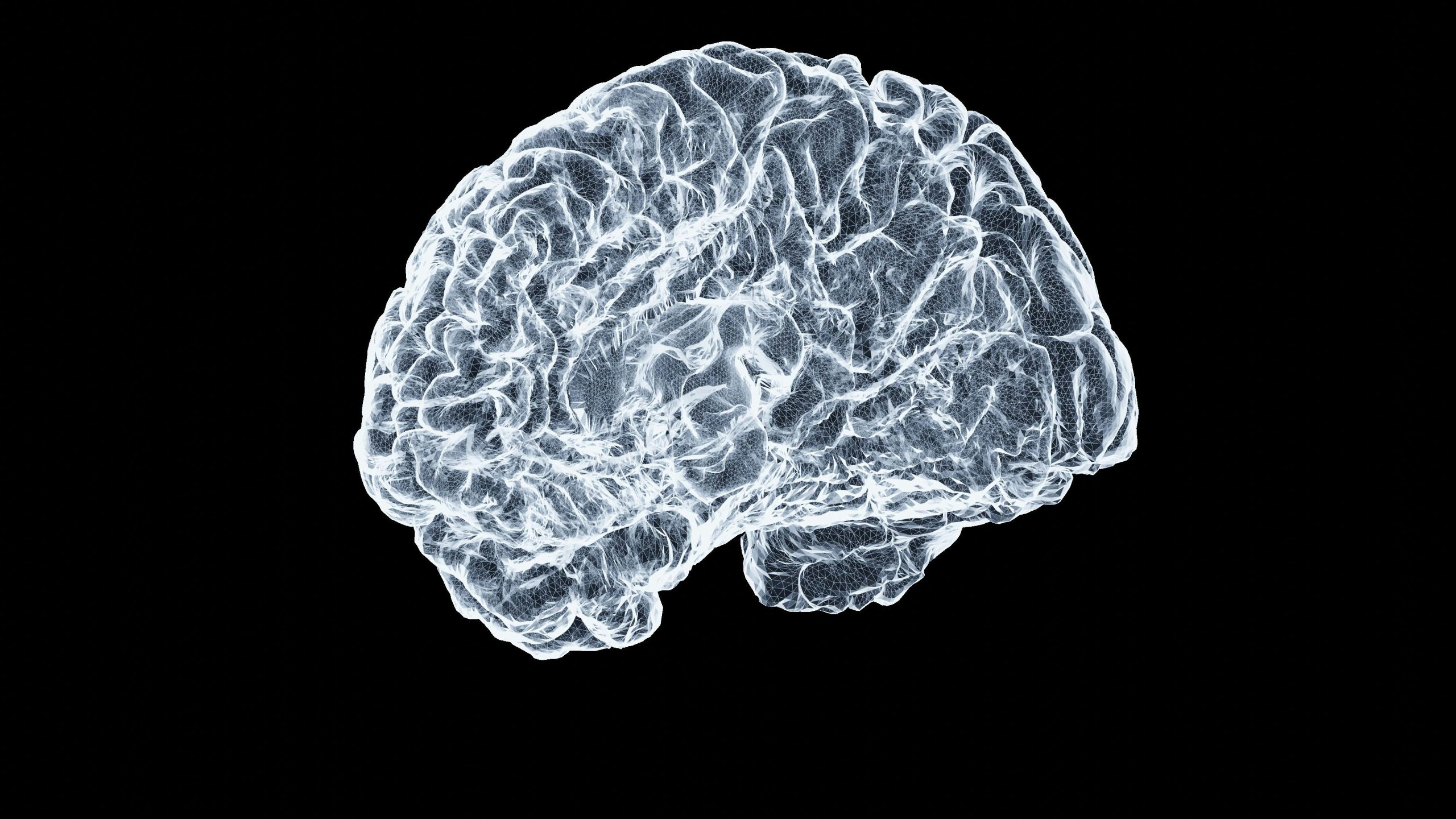

For much of the past five years, the psychedelic medicine sector has been driven by a relatively straightforward investment thesis. Capital flowed into the industry on the promise that compounds such as psilocybin, ketamine, MDMA and DMT could fundamentally reshape mental healthcare, particularly in areas where conventional treatments had failed.
Treatment-resistant depression, post-traumatic stress disorder, addiction and end-of-life distress became the sector’s primary focus, attracting billions of dollars in investment and driving the emergence of a new generation of psychedelic biotechnology companies.
That thesis may now be beginning to evolve.
A broader and potentially more ambitious narrative is emerging—one that extends beyond psychiatry and into one of healthcare’s largest and most challenging markets: neurodegenerative disease.
Alzheimer’s disease, dementia and Parkinson’s disease are not conditions traditionally associated with psychedelic medicine. However, advances in understanding neuroplasticity, synaptic repair and neuroinflammation are prompting researchers to explore whether psychedelic-derived compounds could have therapeutic applications that extend beyond mental illness.
If future clinical research supports that possibility, it could substantially expand the long-term commercial opportunity for the sector.
The scale of that opportunity is difficult to ignore.
More than 55 million people worldwide are currently living with dementia, with almost 10 million new cases diagnosed each year. Alzheimer’s disease accounts for the majority of those cases, while the global economic burden of dementia has already surpassed US$1.3 trillion annually and is expected to continue rising as populations age.
Despite decades of pharmaceutical research and billions of dollars invested in drug development, progress has been incremental.
Recent therapies such as Leqembi and Kisunla have demonstrated an ability to slow disease progression in selected patients, representing meaningful scientific advances. However, these treatments do not reverse Alzheimer’s disease or restore lost cognitive function, leaving a significant unmet clinical need.
For many researchers, this has prompted a broader search for therapeutic approaches that target more than amyloid plaques or tau proteins alone.
Increasingly, attention is turning towards mechanisms such as synaptic dysfunction, chronic neuroinflammation and impaired neuroplasticity—all areas where psychedelic-derived compounds are attracting growing scientific interest.
The excitement surrounding psychedelics in neurodegenerative disease has little to do with their consciousness-altering effects and far more to do with their underlying biology.
Preclinical research suggests certain psychedelic compounds may promote neuroplasticity, encourage synaptic growth, support dendritic remodelling and influence inflammatory pathways within the brain. These mechanisms are highly relevant to neurodegenerative disorders, where declining communication between neurons contributes to progressive cognitive impairment.
Whether these biological effects will translate into meaningful clinical outcomes in humans remains unknown.
However, the hypothesis is compelling enough that it is attracting increasing attention from researchers, biotechnology companies and investors alike.
If psychedelic-derived compounds are eventually shown to improve or preserve functional brain networks in neurodegenerative disease, the implications would extend well beyond psychiatry.
Commercial implications
For much of the industry’s development, psychedelic medicine has largely been viewed through the lens of mental health.
If neuroplasticity becomes an accepted therapeutic target across neurological disorders, that narrative could broaden considerably.
Rather than being viewed solely as treatments for depression or trauma, psychedelic-derived medicines could increasingly be considered part of a wider class of neuroplasticity-based therapeutics.

That distinction could prove commercially significant.
The first generation of psychedelic medicine has largely centred on therapist-supported treatment models involving specialised clinics, intensive preparation and post-treatment integration. While these approaches have produced encouraging clinical outcomes, they are also resource-intensive and challenging to scale.
The next phase of innovation may look different.
An increasing number of biotechnology companies are developing compounds designed to preserve the therapeutic mechanisms associated with neuroplasticity while reducing—or eliminating—the hallucinogenic experience altogether.
If successful, these medicines could eventually become more compatible with mainstream psychiatry, neurology and potentially aged care settings, significantly improving scalability and patient access.
Several public companies are already well positioned within this broader scientific landscape.
Compass Pathways remains one of the sector’s highest-profile companies through its late-stage psilocybin program for treatment-resistant depression. While its current focus remains psychiatric disorders, the company’s expertise in psychedelic drug development positions it well should neuroplasticity-based applications continue to expand.
atai Life Sciences has built a diversified portfolio spanning multiple central nervous system disorders, while GH Research continues advancing DMT-based therapies that have attracted scientific interest for their rapid effects on neuroplasticity.
Meanwhile, private biotechnology companies including Delix Therapeutics and Gilgamesh Pharmaceuticals are pursuing non-hallucinogenic psychoplastogens—compounds designed to stimulate neuroplasticity without producing the intense psychedelic effects associated with traditional therapies.
If these approaches prove successful, they could unlock substantially larger commercial opportunities by simplifying treatment delivery and expanding the number of patients who may be eligible for therapy.
The opportunity may also extend beyond drug developers themselves.
Businesses specialising in AI-driven drug discovery, biomarker identification, precision psychiatry, cognitive assessment, digital diagnostics and clinical infrastructure could all play increasingly important roles in a neuroplasticity-focused healthcare ecosystem.
Significant questions remain
Despite growing enthusiasm, the evidence remains at an early stage.
Most research exploring psychedelic compounds in neurodegenerative disease is currently preclinical or based on mechanistic understanding rather than large-scale human clinical trials.
That means significant uncertainty remains.
Can neuroplasticity-enhancing compounds produce meaningful improvements in cognition?
Which compounds are best suited to neurological disorders?
Will any benefits prove durable?
How will regulators evaluate entirely new classes of neuroplasticity medicines?
The answers to these questions will determine whether today’s scientific promise translates into tomorrow’s commercial reality.
For now, the evidence does not support viewing psychedelic-derived compounds as treatments for Alzheimer’s disease or other forms of dementia.
What it does support is continued scientific investigation into mechanisms that may ultimately complement existing therapeutic approaches.
The psychedelic medicine sector is entering a more mature phase of development.
What began as a story centred on mental health may increasingly expand into a broader conversation about repairing, preserving and restoring brain function.
If future clinical studies demonstrate meaningful benefits in Alzheimer’s disease, Parkinson’s disease or related neurological conditions, the commercial landscape for psychedelic medicine could expand dramatically.
That would likely attract new pools of investment, encourage broader pharmaceutical participation and strengthen the case for neuroplasticity as one of biotechnology’s most important emerging fields.
Whether that future materialises remains uncertain.
But the direction of scientific inquiry is becoming increasingly clear.
The next decade may not be defined solely by psychedelic-assisted therapy.
It may also be defined by the rise of neuroplasticity medicine.