
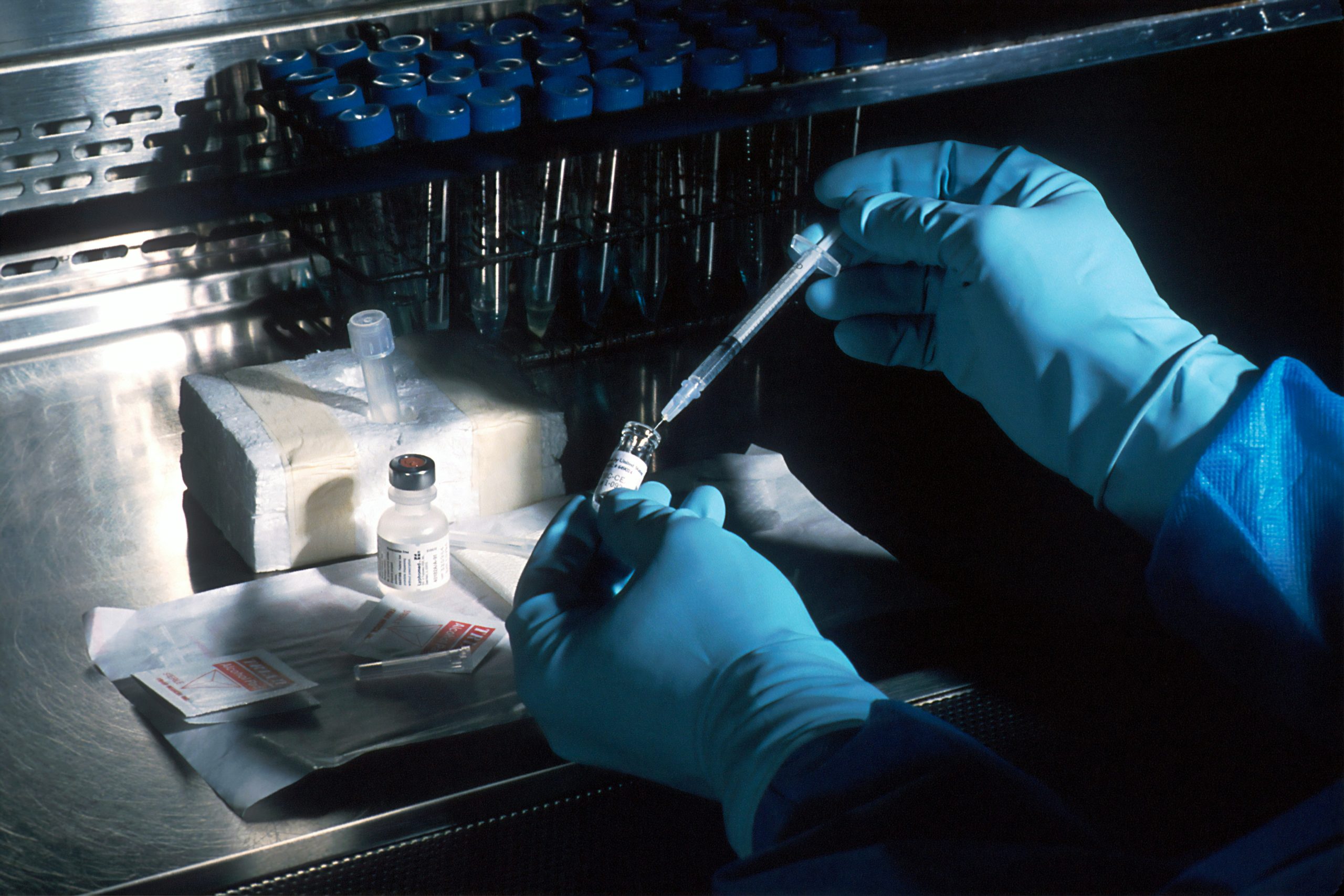

Compass Pathways has moved closer than any company in the psychedelic medicine sector to securing U.S. regulatory approval for a classic psychedelic therapy.
Following positive results from both of its pivotal Phase 3 clinical trials evaluating COMP360 for treatment-resistant depression (TRD), the company is progressing through a rolling New Drug Application (NDA) submission with the U.S. Food and Drug Administration (FDA). If approved, COMP360 would become the first psilocybin-assisted therapy authorised by the FDA, marking a significant milestone not only for Compass, but for the wider psychedelic medicine industry.
While there are still regulatory hurdles to clear, the conversation surrounding Compass has changed considerably. For years, the focus was on whether psychedelic therapies could generate robust clinical evidence. Today, the emphasis is shifting towards regulatory review, commercial readiness and how these treatments could eventually be integrated into mainstream psychiatric care.
More Than a Clinical Milestone
Treatment-resistant depression remains one of the most difficult mental health conditions to treat. Many patients fail to respond to multiple antidepressants, leaving clinicians with limited options beyond more invasive interventions.
COMP360 combines a proprietary synthetic formulation of psilocybin with structured psychological support delivered in a supervised clinical setting. Rather than being taken every day like conventional antidepressants, the therapy is designed around one or more monitored treatment sessions aimed at producing sustained improvements in depressive symptoms.
Earlier this year, Compass reported positive results from its second pivotal Phase 3 study, reinforcing findings from its first registrational trial announced in February. Together, the two studies provide the clinical evidence supporting the company’s planned NDA submission later in 2026.
Completing two successful pivotal Phase 3 trials is a notable achievement. It represents the most advanced clinical programme for a classic psychedelic medicine and brings Compass closer than any other developer to potential FDA approval.
The Challenges Beyond Approval
Even if COMP360 receives regulatory approval, bringing psychedelic-assisted therapy into routine clinical practice will present a new set of challenges.
Unlike traditional antidepressants, psilocybin therapy requires a structured treatment model involving patient preparation, supervised dosing and psychological support. Treatment centres will need appropriate facilities, clinicians will require specialised training, and healthcare systems will need to determine how these therapies fit within existing models of care.
Reimbursement will also be critical. While clinical trial data may demonstrate efficacy, broad patient access will ultimately depend on whether insurers and public health systems are willing to fund treatment. Manufacturing, clinician education and clinic capacity are all likely to become major priorities as the company prepares for commercial launch.
These are challenges that extend beyond Compass. Every company developing psychedelic-assisted therapies will eventually need to address the same questions as the sector moves from research into real-world healthcare delivery.

Why the Industry Is Watching
Compass Pathways has become an important benchmark for the psychedelic medicine industry.
A successful FDA approval would not automatically clear the way for other companies developing psilocybin, DMT, 5-MeO-DMT or other psychedelic compounds. Each programme will continue to be assessed independently on its own clinical data, safety profile and regulatory pathway.
However, approval of COMP360 would establish an important precedent. It would demonstrate that a classic psychedelic can satisfy the FDA’s standards for safety, efficacy and manufacturing quality, while also providing regulators, clinicians and healthcare providers with the first practical framework for delivering psychedelic-assisted therapy at scale.
That experience is likely to benefit the broader field, even as competing companies continue pursuing different compounds, treatment models and clinical indications.
Compass is also looking beyond treatment-resistant depression. The company has begun expanding COMP360 into post-traumatic stress disorder (PTSD), reflecting a broader ambition to explore additional psychiatric conditions where psychedelic-assisted therapies may offer benefit.
Looking Ahead
The remainder of 2026 is expected to be one of the most important periods in Compass Pathways’ history. The company is continuing its rolling NDA submission and is working towards a complete regulatory filing with the FDA later this year.
Whether COMP360 ultimately becomes the first FDA-approved psilocybin therapy remains to be seen, but Compass has already demonstrated that psychedelic medicines can progress through the same rigorous clinical development pathway expected of any modern pharmaceutical product.
For investors, clinicians and the wider psychedelic medicine sector, the next phase is no longer simply about clinical data. It is about whether psychedelic-assisted therapies can successfully make the transition from promising research programmes to approved treatments available within mainstream healthcare.
The outcome will help shape not only the future of Compass Pathways, but also the trajectory of the broader psychedelic medicine industry.