

Canadian pharmaceutical manufacturer Optimi Health has appointed experienced pharmaceutical executive Adrian Jones to lead its Australian operations, with a focus on expanding distribution of GMP-manufactured MDMA and psilocybin medicines.
Canadian psychedelic pharmaceutical manufacturer Optimi Health (Nasdaq: OPTH) has established Optimi Australia Pty Ltd, a wholly owned subsidiary responsible for pharmaceutical sales, distribution and business development in the Australian market.
Announced on 26 October 2026, the expansion will be led by Adrian Jones, who has been appointed Director of Australian Operations. The new subsidiary will manage relationships with authorised prescribers, clinics and pharmacies supplying Optimi’s pharmaceutical-grade MDMA and psilocybin products.
Australia is already an established commercial market for Optimi, which has supplied medicines under the Therapeutic Goods Administration’s (TGA) Authorised Prescriber scheme. The company is now seeking to expand its customer network through dedicated local leadership.
Since July 2023, Australian psychiatrists with the appropriate authorisations have been permitted to prescribe MDMA for post-traumatic stress disorder (PTSD) and psilocybin for treatment-resistant depression.
The decision to establish a local subsidiary follows Optimi’s recent completion of an MDMA manufacturing batch intended to support Australian commercial supply and clinical research programmes in Canada and Israel.
Experienced Pharmaceutical Executive to Lead Expansion
Jones joins Optimi following more than 15 years at Bristol Myers Squibb, where he most recently served as Associate Director, Head of Sales and Marketing for the company’s Australian oncology and cardiovascular portfolios.
His experience includes leading national commercial teams and supporting the Australian launches of treatments including Opdivo and Camzyos. Earlier in his career, Jones also held psychiatry-related roles with Eli Lilly and Hospira.
The appointment brings conventional pharmaceutical commercial experience to Optimi as it seeks to expand its presence in Australia’s specialised psychedelic medicine sector.
“My immediate focus is to understand the needs of the clinician and to help them deliver therapy as efficiently and effectively as possible,” Jones said.
Optimi Chief Executive Officer Dane Stevens described Australia as the company’s first commercial market and identified the subsidiary as part of its plans to support growing demand from authorised prescribers.
“Optimi Australia puts our team on the ground, and in Adrian we have a leader with extensive experience launching new therapies in this market,” Stevens said.
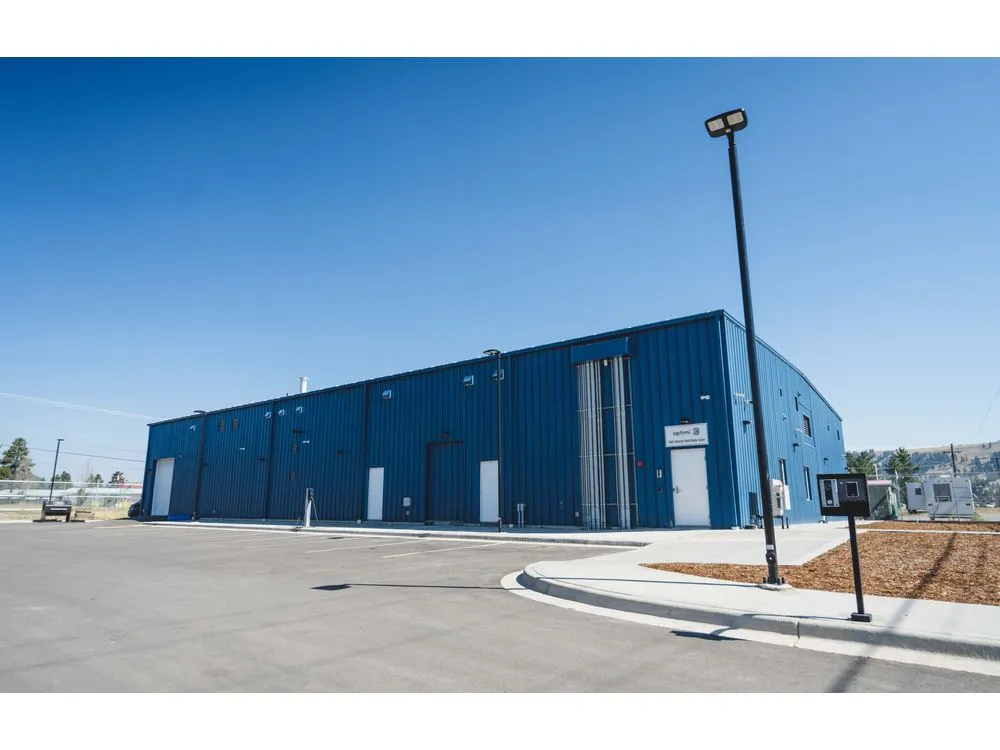
The Australian operation will distribute Optimi’s naturally derived 5 mg psilocybin capsules and synthetic MDMA capsules in 40 mg and 60 mg strengths. All three products are manufactured at the company’s Health Canada-licensed GMP facility in Princeton, British Columbia.
Manufacturing Investment Supports Australian Supply
The Australian expansion follows Optimi’s announcement on 20 October that it had completed another production batch of pharmaceutical-grade MDMA.
The batch is intended to support three programmes: commercial supply to Australia, a proposed Canadian Phase 3 clinical trial investigating MDMA-assisted therapy for PTSD, and a clinical trial in Israel involving the Multidisciplinary Association for Psychedelic Studies (MAPS).

Optimi has confirmed that it has received Australian import permits for MDMA, with its next commercial shipment planned before the end of 2026.
The company’s Canadian manufacturing operations supply finished-dose medicines to regulated clinical and therapeutic programmes internationally. By producing medicines for several markets, Optimi is seeking to support commercial distribution alongside its clinical development activities.
Australia has become particularly important to this strategy because authorised psychiatrists can prescribe certain unapproved psychedelic medicines without waiting for conventional product registration.
However, the framework remains tightly regulated. Access is restricted to appropriately authorised psychiatrists, and medicines must be supplied and administered in accordance with applicable federal and state or territory requirements.
Building a Pharmaceutical Distribution Business
Optimi’s Australian subsidiary will focus on expanding relationships with the clinics, pharmacies and healthcare organisations involved in psychedelic-assisted treatment.
Unlike conventional pharmaceutical products distributed through established retail pharmacy networks, MDMA and psilocybin remain subject to specialised prescribing, dispensing and controlled-drug requirements.
Manufacturers operating in this market must navigate import approvals, secure distribution arrangements and the operational needs of healthcare providers delivering supervised treatment.
A dedicated Australian business may allow Optimi to manage these relationships more directly, particularly as providers seek reliable pharmaceutical supply arrangements.
The company is entering a market in which treatment affordability, clinical capacity and the number of authorised psychiatrists continue to influence commercial demand. Although Australia’s regulatory framework has operated for more than three years, psychedelic-assisted therapy remains a specialised area of psychiatric practice.
Optimi has not disclosed revenue projections for its Australian subsidiary or specific sales targets associated with the expansion.
For the company, the immediate commercial objective will be to increase pharmaceutical sales through existing and new provider relationships, while continuing to manufacture products for international research programmes.
The establishment of Optimi Australia gives the manufacturer a dedicated local operation in its first commercial market, supported by an executive with experience managing pharmaceutical launches and national sales teams.
With another MDMA shipment planned before the end of 2026, the subsidiary’s early performance will offer a clearer indication of Optimi’s ability to translate its manufacturing capacity and Australian distribution network into recurring commercial revenue.