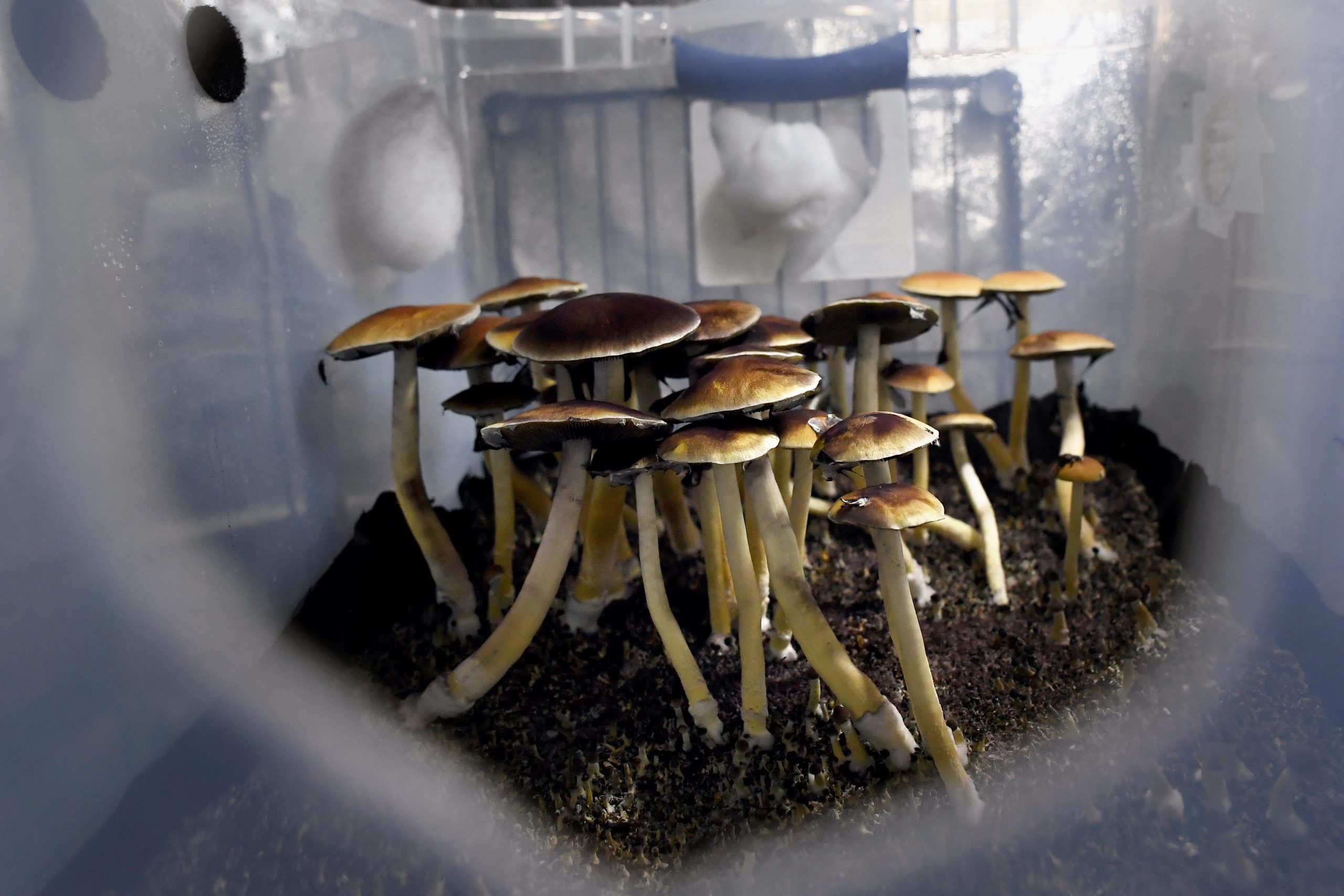

The Canadian pharmaceutical manufacturer says it is supplying 26 Australian clinics with naturally derived psilocybin and is targeting further growth as regulated treatment programmes develop.
Canadian pharmaceutical manufacturer Optimi Health is looking to expand its Australian operations as it develops a commercial business supplying naturally derived psilocybin for regulated clinical treatment.
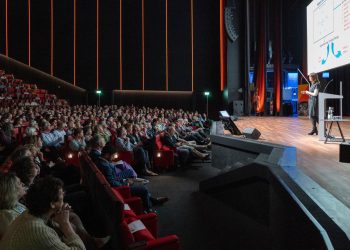
Speaking at the ThinkEquity Conference in New York on 15 October 2026, Optimi outlined its manufacturing strategy, existing Australian supply arrangements and plans to increase distribution of its pharmaceutical-grade psilocybin capsules.
The company reported supplying 26 clinics in Australia and identified a target of approximately 100 clinics over the following 12 months.
Its approach centres on producing standardised psilocybin medicines from cultivated mushrooms, rather than relying on chemical synthesis. With commercial supply already underway in Australia, Optimi is seeking to establish a position in an emerging pharmaceutical market that includes both naturally derived and synthetic formulations.
Building a Pharmaceutical Manufacturing Operation
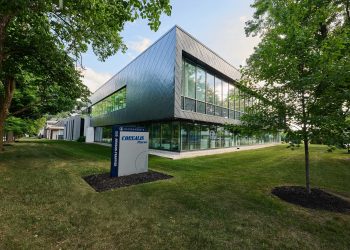
Founded in 2020, Optimi Health operates manufacturing facilities in Princeton, British Columbia, where it cultivates psilocybin-producing mushrooms and processes the resulting material into pharmaceutical products.
According to management’s ThinkEquity presentation, the company assessed numerous mushroom species and hundreds of strains before selecting a strain suitable for its production requirements.

It has since developed cultivation, extraction and formulation processes intended to produce consistent doses of psilocybin for clinical use.
Manufacturing medicines from biological material presents particular challenges because naturally occurring concentrations of active compounds can vary. Optimi’s production model is designed to manage that variability through controlled cultivation, extraction, analytical testing and standardised formulation.
The company holds a Health Canada Drug Establishment Licence supporting its regulated pharmaceutical manufacturing activities.
In May 2026, Optimi announced that it had produced a botanical extract containing approximately 6% psilocybin, describing it as its highest-purity naturally derived extract to date.
Although the development represented progress in its extraction process, the concentration of psilocybin in an intermediate extract does not, by itself, establish clinical or commercial advantages over competing manufacturing methods.
Australia Emerges as an Early Commercial Market
Australia has become an important market for Optimi following regulatory changes that allow authorised psychiatrists to prescribe psilocybin for treatment-resistant depression under the Therapeutic Goods Administration’s Authorised Prescriber Scheme.
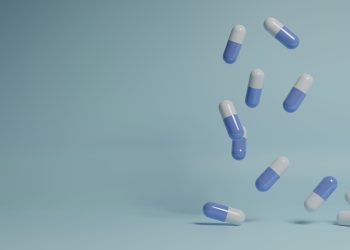
In September 2025, the company announced the Australian launch of its naturally derived 5 mg psilocybin capsules, supported by an initial shipment of 1,000 capsules manufactured in Canada.
The company has subsequently expanded its supply arrangements, with management reporting at the October ThinkEquity Conference that its products were reaching 26 Australian clinics.
Optimi is now targeting approximately 100 clinics over the next year, although the company has not established that this level of distribution will be achieved.
Australia offers a relatively unusual commercial opportunity for psychedelic medicine manufacturers because authorised prescribing can take place outside conventional clinical trials.
Nevertheless, access remains tightly regulated. Treatment is limited to eligible patients under the supervision of authorised psychiatrists, and commercial demand depends on factors including prescribing activity, treatment costs, clinical capacity and patient uptake.
The number of clinics supplied also provides only a partial indication of Optimi’s commercial performance. It does not establish how many patients have received treatment, the volume of repeat orders or the revenue generated by Australian sales.
Can Natural Psilocybin Compete With Synthetic Alternatives?
Optimi’s emphasis on naturally derived psilocybin differentiates its manufacturing strategy from biotechnology companies developing synthetic psilocybin formulations.
Both methods can produce pharmaceutical-grade psilocybin, although their manufacturing processes and associated costs differ.
Natural production involves cultivating biological material and extracting the active compound, while synthetic production uses chemical manufacturing processes to produce psilocybin without mushroom cultivation.
For a purified psilocybin medicine, the origin of the active ingredient does not inherently determine its clinical effectiveness. Pharmaceutical quality depends on factors including identity, purity, dose accuracy, stability and manufacturing controls.
The commercial comparison is more complicated.
Cultivation-based production requires control over biological variability and extraction efficiency, while synthetic manufacturing involves its own process-development, purification and scaling requirements.
Optimi is seeking to demonstrate that its integrated manufacturing operation can produce consistent medicines at a commercially competitive cost.
However, the company has not yet established a clear economic advantage over synthetic competitors through publicly disclosed comparative manufacturing data.
Clinical Research Supports Manufacturing Development
Alongside its Australian commercial activities, Optimi is supplying naturally derived psilocybin for a Health Canada-authorised Phase 2 clinical study investigating psilocybin-assisted therapy for major depressive disorder.
In September 2026, the company announced that it had completed a production batch intended to support both the Canadian study and Australian commercial demand.
The proposed study is expected to involve up to 200 participants, with dosing anticipated to conclude by the end of 2027.
The arrangement allows Optimi to use its manufacturing infrastructure across commercial supply and clinical research activities, although the study will need to independently establish the safety and efficacy of the treatment being investigated.
Clinical research may also provide opportunities to assess the performance of Optimi’s formulation under controlled conditions, complementing its experience supplying authorised treatment providers.
Commercial Growth Remains the Priority
Optimi’s near-term prospects will depend heavily on the development of Australia’s regulated psilocybin treatment market.
Its reported network of 26 clinics provides an existing distribution base, but the proposed expansion to approximately 100 clinics will require further adoption by treatment providers and sustained demand for its products.
The company must also demonstrate that its manufacturing operation can maintain pharmaceutical quality as production volumes increase, while remaining competitive with synthetic psilocybin suppliers.
For now, Australia provides Optimi with an opportunity to build commercial experience in a market where prescribed psilocybin treatment is already permitted.
Further disclosures on shipment volumes, repeat purchasing and product revenue will provide a clearer picture of how successfully the company is converting its manufacturing capabilities into a sustainable pharmaceutical supply business.