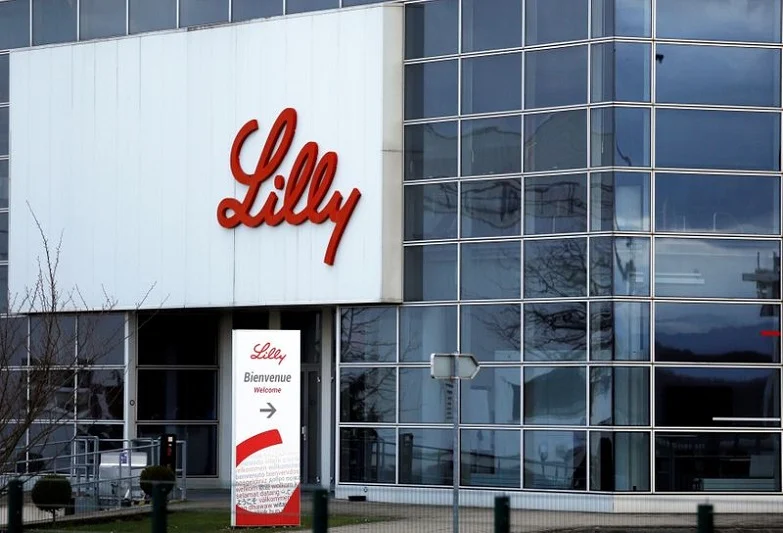

When Eli Lilly agreed to acquire Atai Beckley in a deal worth up to US$3.8 billion, it wasn’t simply the largest transaction in the history of psychedelic medicines.
It marked a turning point.
Just a few years ago, the prospect of one of the world’s largest pharmaceutical companies committing billions of dollars to a developer of a psychedelic compound would have seemed unlikely. Today, it reflects a growing belief that psychedelic therapeutics are moving from the margins of biomedical research towards mainstream drug development.
But while the Lilly acquisition dominated headlines, it was only one chapter in an extraordinary week that revealed just how complex the future of the sector has become.
Across the United States, governments, researchers, Indigenous communities and law enforcement were each shaping a different part of the psychedelic landscape—sometimes in ways that complement one another, and sometimes in direct conflict.
Four Stories, One Industry
The week’s developments illustrated four powerful forces that are now driving psychedelic medicine.
Capital markets delivered the clearest vote of confidence yet, with Eli Lilly’s landmark acquisition signalling that large pharmaceutical companies are increasingly prepared to invest heavily in next-generation psychedelic therapies.
At the same time, the State of Texas moved ahead with its US$50 million ibogaine research program, announcing partnerships with UTHealth Houston and the University of Texas Medical Branch after anticipated private-sector collaborators were unable to participate. The decision demonstrated that governments are increasingly willing to fund high-risk clinical research where commercial investment alone may not be enough.
Elsewhere, authorities filed a manslaughter charge against a Miami Beach physician following the death of a participant during a psychedelic retreat, underscoring the legal and patient safety challenges that continue to surround unregulated treatment settings.
Meanwhile, the Azee’ Bee Nahagha’ of the Diné Nation Teesto Chapter formally urged the US Drug Enforcement Administration (DEA) to reject an application for commercial mescaline production, arguing that large-scale commercialisation threatens the cultural and spiritual significance of sacred Indigenous medicines.
Viewed individually, each story is significant.
Viewed together, they reveal an industry entering a far more mature—and far more complicated—phase of development.
Four Worlds Moving at Different Speeds
The psychedelic sector is no longer being driven solely by scientific research.
Instead, it is increasingly shaped by four distinct and often competing priorities.
Capital markets are rewarding promising drug developers and attracting unprecedented levels of pharmaceutical investment.
Governments are becoming more active participants by funding clinical research and exploring new treatment pathways for conditions with significant unmet need.
Regulators and law enforcement remain focused on patient safety, professional standards and the risks associated with unregulated practice.
At the same time, Indigenous communities are demanding a stronger voice in decisions surrounding traditional medicines, cultural heritage and the commercialisation of compounds with deep spiritual significance.
These forces are not necessarily aligned.
As psychedelic medicine continues to mature, policymakers and industry leaders will increasingly be asked to balance commercial opportunity with ethical responsibility, cultural stewardship and public safety.
Beyond the Investment Headlines
The Eli Lilly transaction is unquestionably a milestone for the sector.
Yet its significance extends well beyond the size of the deal.
It reflects growing confidence that psychedelic compounds may become commercially viable prescription medicines, while simultaneously raising broader questions about access, ownership, pricing, intellectual property and the future structure of the industry.
Likewise, Texas’ investment highlights increasing institutional confidence in psychedelic research, even as criminal prosecutions remind the sector that rapid growth without appropriate safeguards carries significant risks.

Meanwhile, Indigenous leaders continue to challenge governments and regulators to ensure that commercial innovation does not come at the expense of cultural knowledge that predates modern pharmaceutical development by centuries.
A New Phase for Psychedelic Medicine
Perhaps the biggest takeaway from this remarkable week is that the debate has fundamentally changed.
The question is no longer simply whether psychedelic therapies have clinical potential.
Increasingly, it is about who develops them, who regulates them, who profits from them, and how traditional knowledge is recognised and respected as commercial markets emerge.
The psychedelic medicines sector is now being shaped simultaneously by pharmaceutical investment, public policy, clinical science, criminal justice and Indigenous advocacy.
That complexity is a sign of an industry growing up.
If this week is any indication, the next chapter of psychedelic medicine will be defined not only by scientific breakthroughs, but by the governance, ethics and policy frameworks that determine how those breakthroughs reach patients.