
Monash University researchers launch groundbreaking study exploring whether psychedelic-assisted therapy can help patients living with the long-term effects of brain injury.
Australia’s psychedelic medicine sector has taken another significant step forward, with Monash University launching the nation’s first clinical trial investigating psilocybin-assisted therapy for people experiencing persistent symptoms following concussion.
The study, known as PAST-PPCS (Psilocybin-Assisted Therapy for Persisting Post-Concussion Symptoms), is believed to be the first Australian trial specifically examining whether psychedelic-assisted therapy can improve outcomes for individuals living with the long-term effects of mild traumatic brain injury.
For many people, concussion is far more than a temporary injury.
While most patients recover within days or weeks, a significant number continue to experience symptoms months or even years later. Persistent headaches, fatigue, dizziness, memory problems, anxiety, depression, sleep disturbances and difficulties concentrating can dramatically impact quality of life, employment and personal relationships.
Despite the prevalence of concussion-related symptoms, treatment options remain limited.
That reality has prompted researchers to investigate whether psychedelic-assisted therapies may offer a new approach for patients who have exhausted conventional treatment pathways.
The Monash-led trial will examine whether psilocybin-assisted therapy can improve both psychological wellbeing and broader post-concussion symptoms through carefully controlled clinical treatment.
What makes the study particularly noteworthy is the calibre of the research team behind it.
The trial brings together experts from Monash University’s School of Translational Medicine, Department of Psychiatry, Department of Neuroscience, Monash Health and the internationally recognised Clinical Psychedelic Lab. The project is led by Professor Terence O’Brien and includes leading psychedelic researcher Dr Paul Liknaitzky alongside a multidisciplinary team of clinicians, neuroscientists and mental health researchers.
The study has been designed as a Phase II clinical trial and is expected to continue through to 2030, reflecting the scientific rigour being applied to understanding whether psychedelic-assisted therapy may have a role in treating persistent post-concussion symptoms.
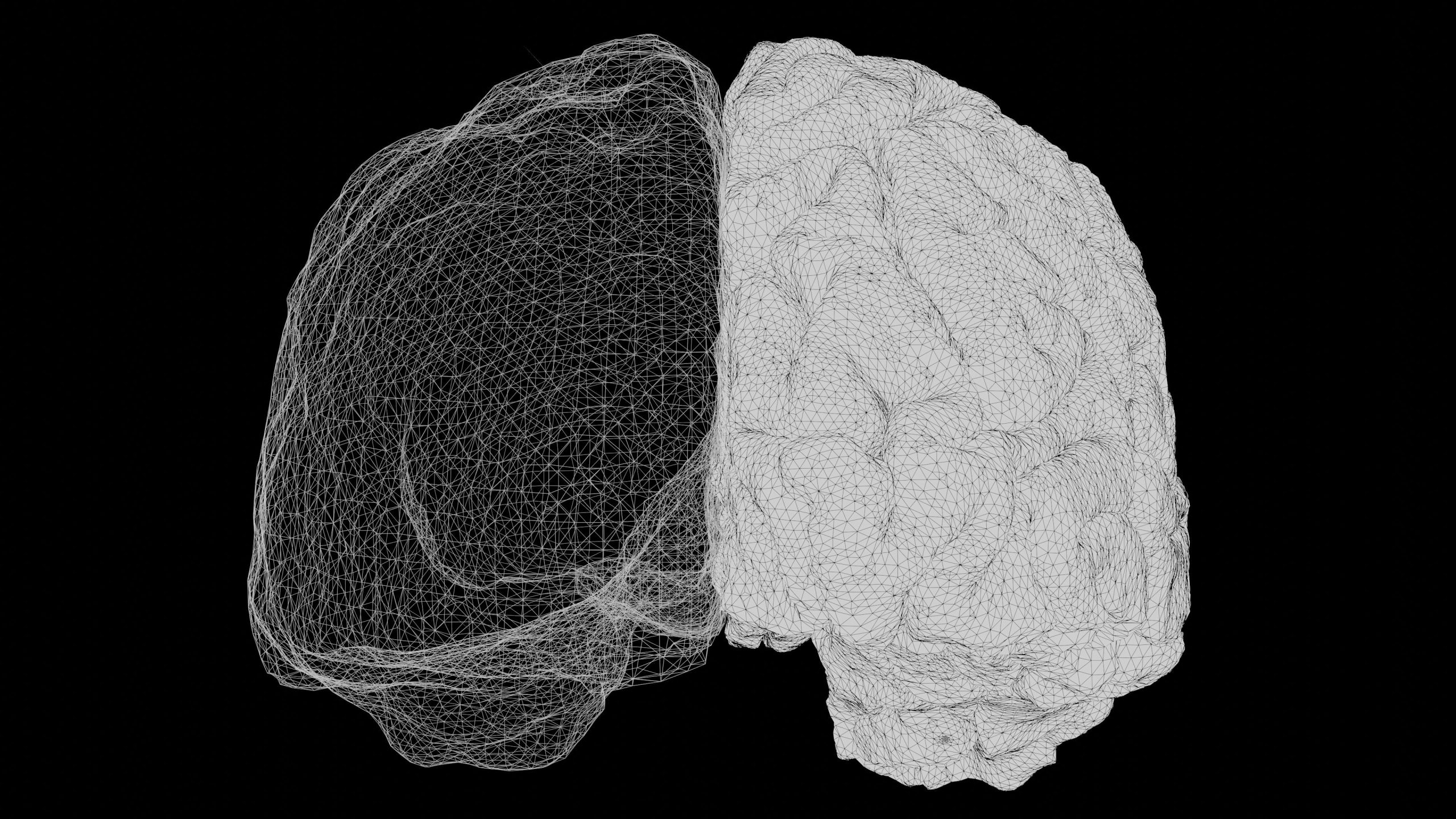
Researchers are interested not only in the psychological effects of psilocybin-assisted therapy but also in its potential impact on neuroplasticity, brain connectivity and recovery processes that may influence long-term outcomes following brain injury.
Over the past decade, a growing body of international research has suggested psychedelic compounds may help promote the formation of new neural connections while enhancing cognitive flexibility and emotional processing. Although much of the public attention has focused on treatment-resistant depression, post-traumatic stress disorder and anxiety, scientists are increasingly exploring potential applications across a much broader range of neurological and psychiatric conditions.
The launch of the Monash study reflects that evolution.
Rather than focusing solely on mental health disorders, researchers are now investigating whether psychedelic-assisted therapies could potentially contribute to recovery pathways following physical injury to the brain itself.
For the broader psychedelic sector, this represents a potentially important shift.
If successful, the trial could help expand the field beyond its current focus on psychiatric conditions and into areas such as neurorehabilitation, brain injury recovery and neurological health. Such an expansion would significantly increase both the clinical relevance and potential market opportunity for psychedelic therapeutics.
The study also reinforces Monash University’s growing reputation as one of the world’s leading centres for psychedelic medicine research.
In recent years, Monash’s Clinical Psychedelic Lab has become one of Australia’s most active psychedelic research hubs, leading clinical trials, therapist training initiatives and educational programs that have attracted international attention. The university has played a central role in advancing Australia’s position as a global leader in psychedelic science and clinical implementation.
Australia’s decision to establish a regulated pathway allowing authorised psychiatrists to prescribe MDMA and psilocybin for specific psychiatric conditions has already placed the country under close international scrutiny. The expansion of research into areas such as concussion and brain injury further demonstrates the breadth of scientific exploration now underway.
For clinicians, researchers, investors and biotechnology companies watching the sector, the significance of the Monash trial extends well beyond concussion.

The study represents an important test of whether psychedelic-assisted therapies can move beyond traditional psychiatric applications and potentially contribute to entirely new categories of healthcare.
Whether psilocybin ultimately proves effective for persistent post-concussion symptoms remains to be seen.
However, the launch of Australia’s first dedicated trial in this area signals that psychedelic medicine is continuing to evolve, pushing into new scientific territory and exploring treatment possibilities that only a few years ago would have seemed unlikely.
As researchers around the world search for better solutions to some of healthcare’s most complex challenges, Monash University’s latest study may provide an early glimpse into what the next chapter of psychedelic medicine could look like.