
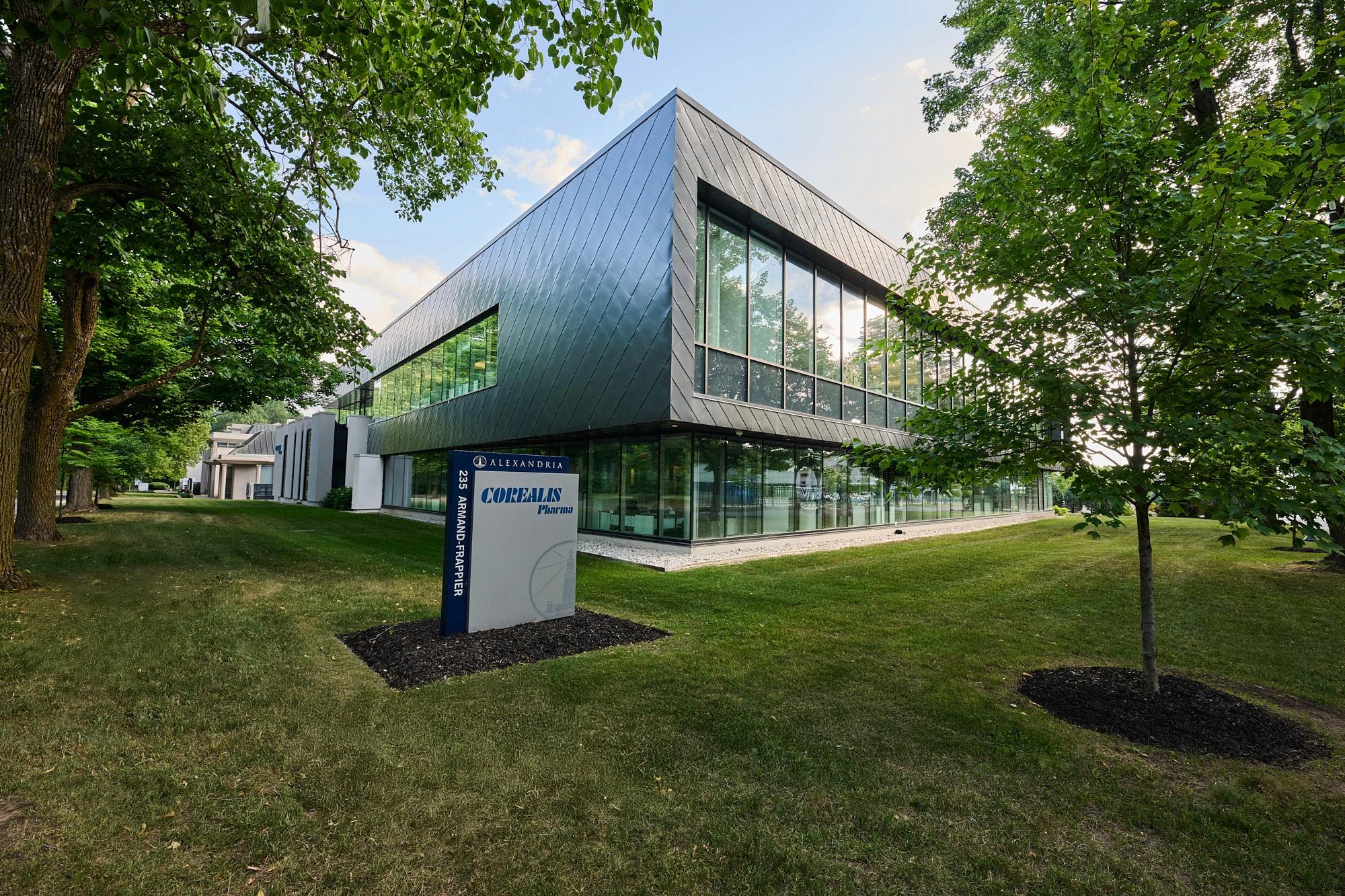

Canadian biotechnology company PharmAla Biotech Holdings Inc. (CSE: MDMA) (OTCQB: MDXXF) has signed an agreement with Corealis Pharma Inc., a contract development and manufacturing organisation based in Laval, Quebec, to advance its patented MDMA-derived drug candidate ALA-002.
Announced on 5 November 2026, the agreement covers formulation development and Good Manufacturing Practice (GMP) manufacturing of ALA-002 for clinical supply.
Corealis has already commenced research and development on the formulation, which PharmAla intends to initially develop as a 50 mg capsule. Manufacturing of the first GMP drug product batch is scheduled to begin following completion of development activities, although no firm production date has been announced.
The agreement advances PharmAla’s proprietary drug development programme alongside its existing business supplying pharmaceutical-grade MDMA for clinical research and authorised treatment.
Building on an earlier manufacturing milestone
The latest agreement follows PharmAla’s completion of GMP manufacturing for the drug substance components of ALA-002 in July 2026.
That earlier milestone provided material required for subsequent pharmaceutical development. The agreement with Corealis will support the next stage: turning the drug substance into a finished capsule formulation suitable for clinical investigation.
Corealis specialises in oral solid dosage development and manufacturing, providing formulation, analytical testing and clinical supply services to pharmaceutical and biotechnology companies.
According to PharmAla, the company was selected following a technical, quality and regulatory evaluation of potential manufacturing partners.
“We’re confident that Corealis is the right partner to execute this work,” said PharmAla Chief Operating Officer Farnoud Kazemzadeh.
“We are also excited to bring this drug development work back to Canada.”
US licensing agreement adds commercial significance
The manufacturing programme also supports PharmAla’s broader commercial strategy for ALA-002.
In July 2026, the company entered into a definitive licensing agreement with Jupiter Neurosciences (NASDAQ: JUNS), granting the US biotechnology company exclusive rights to develop, manufacture and commercialise ALA-002 in the United States.
The agreement carries potential consideration of approximately US$100 million, including an upfront payment, development and commercial milestones, and potential royalties. Most of that value remains contingent on future achievements.
PharmAla retains rights to ALA-002 outside the United States and has committed to supplying GMP-grade drug product to Jupiter under a separate supply agreement to be negotiated.
Establishing a reliable manufacturing process is therefore relevant not only to PharmAla’s own clinical development activities, but also to its obligations and opportunities under international partnerships.
Nicholas Kadysh, PharmAla’s founding CEO, said completing a GMP drug product formulation would support clinical research conducted both internally and through development partners.
Expanding beyond pharmaceutical MDMA supply
PharmAla has established its business around the development and supply of pharmaceutical-grade MDMA, including its LaNeo MDMA product, for clinical research and regulated treatment markets.

Its proprietary pipeline involves developing novel compounds within the broader MDXX class, with ALA-002 identified as its lead drug candidate.
While pharmaceutical supply provides an established business activity, proprietary drug development involves additional scientific, regulatory and commercial requirements.
A new drug candidate must undergo appropriate preclinical and clinical evaluation to establish its safety and efficacy, while manufacturing processes must meet the quality standards required for its intended use.
The Corealis agreement addresses an important part of that development process but does not establish clinical efficacy or regulatory approval for ALA-002.
What happens next?
The immediate priority is completing formulation development for the proposed 50 mg ALA-002 capsule before proceeding to GMP manufacturing of the finished drug product.
Further progress will depend on manufacturing outcomes, clinical development plans and applicable regulatory requirements.
For PharmAla, the agreement adds another manufacturing partner to its ALA-002 supply chain and advances a drug candidate that already has a dedicated US licensing partner.
The next important milestone will be the completion of the finished formulation and production of material intended for clinical research.