
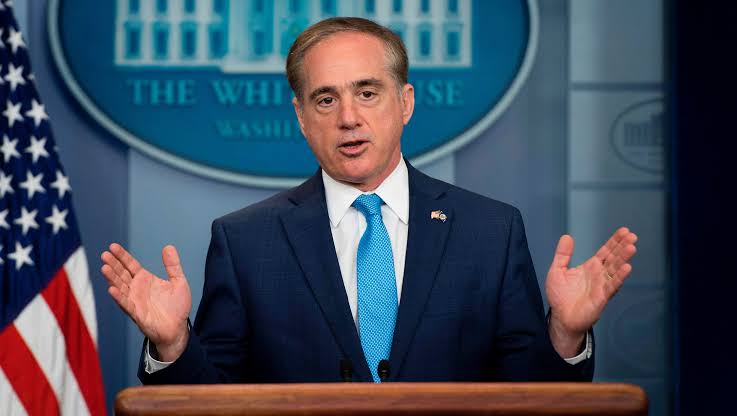


Australian psychedelic medicine company Emyria has brought former US Secretary of Veterans Affairs Dr David Shulkin into its strategy as it looks to build relationships across the US healthcare system and position its clinical infrastructure for the next stage of psychedelic medicine.
Emyria is looking beyond the development of psychedelic treatments themselves and towards the systems that will be needed if those treatments eventually reach mainstream healthcare.
The company has appointed Dr David Shulkin, who served as US Secretary of Veterans Affairs under President Donald Trump and previously held the position of Under Secretary for Health under President Barack Obama, as a Strategic Advisor.
Shulkin brings experience from one of the largest healthcare systems in the US. During his tenure at the VA, he oversaw more than 350,000 employees, approximately 1,400 facilities and healthcare services for more than 9 million veterans.
His arrival comes at a time when psychedelic medicine is receiving increasing attention from US federal health agencies, with veterans’ healthcare emerging as an important area of research and potential future treatment delivery.
From psychedelic research to treatment delivery
In July, the US Department of Veterans Affairs and Department of Health and Human Services signed a memorandum of understanding covering psychedelic research, clinical development and the responsible deployment of potential future FDA-approved therapies for veterans.
Emyria says the VA is currently involved in 20 active clinical trials focused on psychedelic therapies for mental health conditions, with more than US$23 million in external funding. Federal activity is also beginning to address what happens beyond the clinical trial itself, including clinician education, workforce development, treatment protocols and the integration of psychedelic therapies into established healthcare settings.
That shift towards delivery is particularly relevant to Emyria.
The company has spent several years developing clinical infrastructure for complex mental health treatments, including supervised treatment environments, multidisciplinary teams, treatment protocols, clinical governance, clinician training and drug logistics. It also collects longitudinal real-world patient data that can support treatment development and evaluation.
Emyria is already applying that infrastructure through its work with psychedelic medicine company Psyence Biomed. Through its Empax Global Partnership Program, Emyria is acting as a clinical trial site for Psyence’s Phase IIb study in adjustment disorder among patients with advanced cancer.
Shulkin’s role in Emyria’s US expansion
Shulkin will advise Emyria on government and healthcare engagement, strategic partnerships and opportunities across US federal healthcare and veterans’ health.
The company is also looking to work with drug developers and other organisations that may require specialist clinical infrastructure as psychedelic medicines progress through development.
His experience extends beyond government. Shulkin has also advised ASX-listed healthcare company 4DMedical on its US Veterans Affairs strategy, giving him previous experience helping an Australian healthcare business navigate the US federal healthcare market.
For Emyria, that experience could be useful as it attempts to establish itself within a US market where the clinical infrastructure surrounding psychedelic treatments is still being developed.
The company’s proposition is relatively straightforward: if psychedelic medicines eventually become approved treatments, delivering them will require more than the medicine itself. Specialised facilities, trained clinicians, treatment protocols, patient monitoring and clinical governance will all form part of the healthcare model.
Emyria is building around those requirements already.
Shulkin said the US is entering an important phase in psychedelic medicine, with attention increasingly turning towards how treatments could be delivered safely within established healthcare systems.
For Emyria, the appointment gives the company a senior US healthcare figure as it explores where its existing clinical capabilities could fit within that emerging market.
The company has not announced a VA partnership or US government contract as part of the appointment. The immediate objective is to develop relationships and identify potential clinical and commercial opportunities as psychedelic medicine moves further into the US healthcare system.